
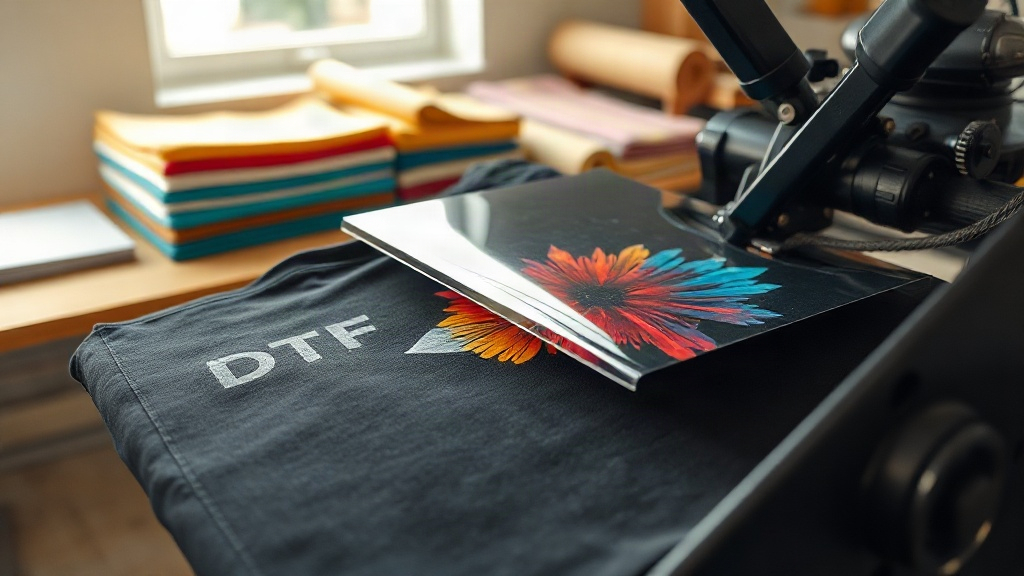
If you've been exploring custom apparel printing, you've likely come across DTF transfers. This innovative technology is changing the way small businesses, crafters, and even large brands create vibrant, durable designs on fabrics. Unlike traditional methods that require specific materials or complicated setups, DTF transfers offer a versatile solution that works on almost any fabric. In this guide, we'll walk you through everything you need to know about DTF transfers, from how they work to tips for getting professional results.
What Are DTF Transfers?
DTF stands for Direct to Film. It's a printing process where your design is printed onto a special film, coated with a powder adhesive, and then heat-pressed onto the fabric. The result is a soft, stretchable print that bonds permanently to the material. Unlike DTG (Direct to Garment) printing, which requires pre-treatment and works best on cotton, DTF transfers adhere to a wide range of fabrics, including polyester, blends, and even nylon. This flexibility makes them a favorite for custom t-shirts, hoodies, tote bags, and more.
Why Choose DTF Transfers?
There are several reasons why DTF transfers have become a go-to for custom printing. Let's break down the key benefits.
Versatility Across Fabrics
One of the biggest advantages is that DTF transfers work on almost any fabric. Whether you're printing on 100% cotton, polyester, or a 50/50 blend, the results are consistent. This opens up possibilities for printing on dark and light colors without needing multiple setups. If you've ever been frustrated by the limitations of other printing methods, DTF is a breath of fresh air.
Durability and Washability
DTF transfers are known for their durability. When applied correctly, the print won't crack, peel, or fade after multiple washes. The adhesive powder creates a strong bond with the fabric fibers, ensuring the design stays put. This makes DTF ideal for items that will be worn and washed regularly, like sports jerseys or everyday tees.
Vibrant Colors and Fine Details
Because DTF printing uses CMYK inks plus white, it can produce incredibly vibrant colors and fine details. Gradients, photographs, and intricate designs come out looking sharp. Unlike screen printing, there's no need to limit your color palette. This makes DTF perfect for small businesses that want to offer custom designs without investing in expensive equipment.
How to Apply DTF Transfers
Applying DTF transfers is straightforward, but following the right steps ensures a professional finish. Here's a step-by-step guide.
Step 1: Prepare Your Workspace
Set up your heat press in a well-ventilated area. Preheat the press to the recommended temperature, usually between 300°F and 325°F (150°C to 160°C). While it heats, lint-roll your garment to remove any dust or fibers that could interfere with adhesion.
Step 2: Position the Transfer
Place the DTF transfer onto the fabric with the printed side facing up. If your design has a white layer, it will be on the bottom. Use heat-resistant tape to secure the transfer if needed, especially for small pieces.
Step 3: Press and Peel
Press the transfer for 10-15 seconds with medium pressure. Then, wait for it to cool completely before peeling off the film. This cool peel method ensures the design stays intact. For best results, use a Teflon sheet or parchment paper over the transfer to protect it from direct heat.
Step 4: Post-Press for Extra Durability
After peeling, press the design again for another 5-10 seconds. This second press helps the adhesive fully cure and enhances washability. That's it! Your custom garment is ready to wear.
Common Mistakes to Avoid with DTF Transfers
Even though DTF is forgiving, some pitfalls can ruin your results. Here are a few to watch out for.
- Incorrect temperature: Too hot and the film may melt; too cool and the adhesive won't activate. Always check your transfer's instructions.
- Peeling too soon: Waiting for the transfer to cool is crucial. Peeling while hot can cause the design to stretch or tear.
- Uneven pressure: Make sure your heat press applies even pressure across the entire design. Cold spots lead to poor adhesion.
- Skipping the second press: The post-press is not optional if you want maximum durability.
DTF vs. Other Printing Methods
How does DTF stack up against other popular printing techniques? Let's compare.
DTF vs. Screen Printing
Screen printing is cost-effective for large orders of simple designs, but it requires separate screens for each color and doesn't handle gradients well. DTF excels at complex, multi-color designs and short runs, with no setup fees. For small businesses or one-off custom items, DTF is often more practical.
DTF vs. DTG
DTG printing is great for 100% cotton and produces a soft feel, but it requires pre-treatment and can be finicky on blends. DTF works on more fabrics and often has a more vibrant output. However, DTG might have a slight edge in breathability for very light designs.
DTF vs. Vinyl
Heat transfer vinyl (HTV) is popular for simple shapes and text, but layering multiple colors is time-consuming. DTF allows you to print full-color designs in one go, saving time and effort.
Tips for Getting the Best Results
To ensure your DTF transfers look professional and last, keep these tips in mind.
- Choose quality transfers: Not all DTF films are created equal. Look for transfers with a consistent adhesive coating and vibrant inks.
- Store transfers properly: Keep unused transfers in a cool, dry place away from direct sunlight to prevent the adhesive from drying out.
- Test on scrap fabric: Before pressing onto your final garment, do a test run to dial in your heat press settings.
- Wash inside out: To prolong the life of your print, wash garments inside out in cold water and avoid harsh detergents.
Frequently Asked Questions About DTF Transfers
Can I use DTF transfers on dark fabrics?
Absolutely! DTF transfers include a white ink layer that makes them opaque, so they show up vividly on dark colors. This is one of their key advantages over other methods.
How long do DTF transfers last?
With proper application and care, DTF transfers can last as long as the garment itself. They resist cracking, peeling, and fading through many wash cycles.
Do I need a commercial heat press for DTF transfers?
While a commercial heat press gives the most consistent results, you can use a home iron or a small heat press for occasional projects. Just ensure you apply even pressure and the correct temperature.
What fabrics work best with DTF transfers?
DTF transfers adhere well to cotton, polyester, blends, and even nylon. They are not recommended for fabrics with a heavy water-repellent coating or those that can't withstand heat.
Can I layer DTF transfers?
Yes, you can layer multiple DTF transfers to create multi-dimensional designs. Just press each layer separately, following the same temperature and pressure guidelines.
DTF transfers are a game-changer for anyone looking to create custom apparel with vibrant colors and lasting durability. Whether you're a small business owner, a hobbyist, or just someone who loves personalized gear, DTF offers a flexible and accessible solution. With the right techniques and a bit of practice, you'll be producing professional-quality prints in no time. So why not give it a try? Your next custom creation is just a heat press away.