
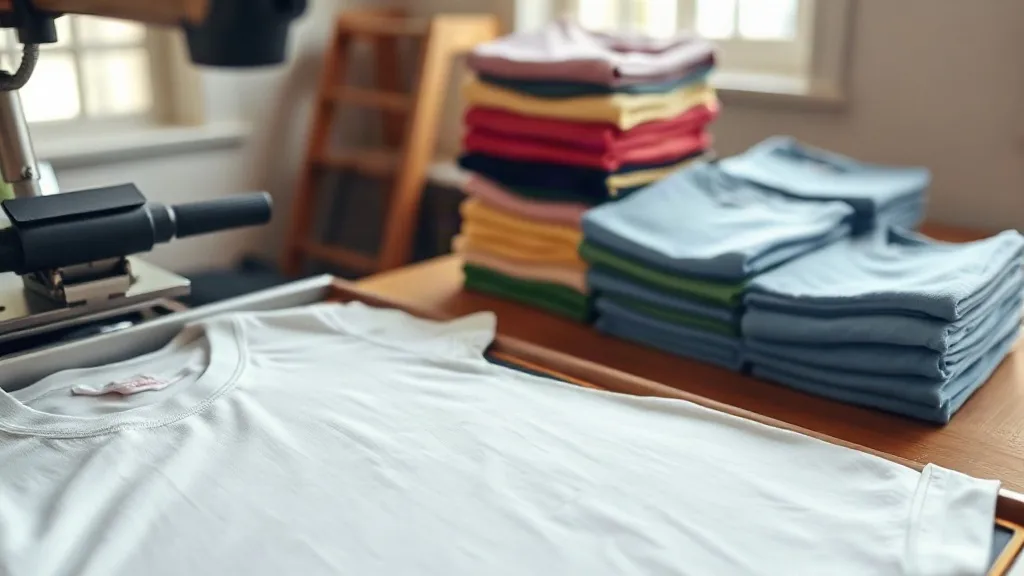
Walk into any print shop and you will hear the same complaint: the blank looked perfect until the squeegee hit the screen. Ink bleeds, the fabric shifts, or the print cracks after the first wash. For screen printers, the blank is not just a canvas. It is the foundation of every job, and a bad foundation ruins the whole piece. That is why so many shops keep coming back to shaka wear. These blanks are not just popular with brands. They are trusted by printers who need consistent, professional results, run after run.
In this guide, we will look at what makes Shaka Wear a standout choice for screen printing. We will cover fabric construction, how the weave affects ink coverage, why sizing matters, and how Shaka Wear compares to other blanks like smart blanks. By the end, you will know exactly why this brand deserves a spot on your shelf.
Why the Blank Matters More Than You Think
Screen printing is a physical process. Ink is pushed through a mesh screen onto fabric, then cured with heat. Every step depends on the fabric behaving predictably. If the fabric is too loose, the ink spreads. If it is too tight, the ink sits on top and cracks. If the fabric shrinks after printing, the design distorts. The best blanks are engineered to minimize these variables. Shaka Wear does exactly that.
Shaka Wear blanks are made from ring-spun cotton, which means the fibers are combed and twisted into a smooth, tight yarn. This creates a fabric surface that is uniform and flat, giving the ink a consistent surface to bond with. The result is sharper edges, better detail, and a print that holds up wash after wash.
Fabric Construction: The Foundation of a Great Print
Not all cotton is created equal. Shaka Wear uses a tight knit that prevents the fabric from stretching excessively during printing. When you are printing a multi-color design, registration is everything. If the fabric shifts even a millimeter, the colors misalign. Shaka Wear's stable knit keeps the garment in place, so your colors line up perfectly.
The weight of the fabric also plays a role. Shaka Wear offers a range of weights, from lightweight tees to heavyweight fleece. For screen printing, a mid-weight to heavyweight fabric is often preferred because it can handle the pressure of the squeegee without distorting. The heavier the fabric, the more ink it can hold without the design feeling stiff.
Ring-Spun vs. Open-End: What's the Difference?
Open-end cotton is cheaper and rougher. It has a tendency to pill and can feel scratchy against the skin. Ring-spun cotton, like what Shaka Wear uses, is softer, smoother, and stronger. The tighter yarn creates a better printing surface because there are fewer stray fibers to interfere with the ink. If you have ever printed on a cheap blank and noticed fuzzy edges around your design, that is the open-end fibers at work. Shaka Wear eliminates that problem.
How Shaka Wear Handles Different Ink Types
Screen printers use a variety of inks: plastisol, water-based, discharge, and specialty inks like metallic or puff. Each ink behaves differently on fabric. Shaka Wear blanks are versatile enough to handle them all.
- Plastisol: This is the most common ink. It sits on top of the fabric and cures at high heat. Shaka Wear's smooth surface allows plastisol to adhere evenly, reducing the risk of cracking.
- Water-based: These inks soak into the fabric, creating a soft, breathable print. Shaka Wear's ring-spun cotton absorbs water-based inks beautifully, resulting in a print that feels like part of the shirt.
- Discharge: This ink removes the dye from the fabric, leaving the natural cotton color. Shaka Wear's consistent dyeing process ensures that discharge prints come out evenly, without blotches.
- Specialty inks: Puff, metallic, and high-density inks require a stable base. Shaka Wear's tight weave prevents the ink from sinking in too far, so the special effects pop.
Sizing and Fit: Why Consistency Matters for Printers
When you are printing a large order, you need every shirt to be the same size and fit. If the sizing varies, your screens will not align properly, and you will waste time and material. Shaka Wear is known for its consistent sizing. The garments are cut and sewn to exact specifications, so a medium from one batch fits like a medium from the next. This reliability is a lifesaver for high-volume shops.
Shaka Wear also offers a range of fits, from classic to modern. Whether you are printing for a streetwear brand that wants a boxy fit or a corporate client that needs a classic tee, you can find the right silhouette. The consistent fit means your customers get the same experience every time they order.
Shaka Wear vs. Smart Blanks: A Printer's Perspective
Smart blanks are another popular choice for screen printers, and they have their own strengths. Smart Blanks are known for their softness and fashion-forward cuts. They are a great option for retail brands that prioritize feel and style. However, when it comes to pure printing performance, Shaka Wear often edges ahead.
The key difference is fabric stability. Smart Blanks tend to be a bit lighter and stretchier, which can be great for comfort but challenging for intricate prints. Shaka Wear's tighter weave provides a more stable surface, which is crucial for multi-color jobs and fine details. That said, both brands have their place. If you are printing simple, one-color designs on lightweight tees, Smart Blanks can work well. For complex, high-detail prints that need to last, Shaka Wear is the safer bet.
Durability After Washing
One of the biggest tests for any printed shirt is how it holds up after washing. Shaka Wear's ring-spun cotton resists pilling and shrinking, so the print stays intact. The fabric does not warp or distort, which means the design remains aligned. Smart Blanks are also durable, but some printers report that they can shrink slightly more than Shaka Wear, which can affect the print's appearance over time.
Practical Tips for Printing on Shaka Wear Blanks
Even the best blank requires proper technique. Here are a few tips to get the most out of your Shaka Wear garments:
- Pre-shrink if necessary: Although Shaka Wear is pre-shrunk, some printers still run a quick wash and dry cycle before printing to eliminate any residual shrinkage. This is especially important for 100% cotton tees.
- Use the right mesh count: For fine details, use a higher mesh count (200-300). For bold, thick prints, a lower mesh count (110-160) works better. Shaka Wear's smooth surface allows you to use a range of mesh counts without issues.
- Control ink viscosity: Thick inks can sit on top of the fabric and crack. Make sure your ink is properly mixed and at the right temperature. Shaka Wear's tight weave helps, but ink consistency is still key.
- Cure properly: Always follow the ink manufacturer's curing instructions. Under-cured ink will wash out; over-cured ink will crack. Shaka Wear's fabric can handle the heat, but you need to dial in your conveyor dryer.
Common Mistakes to Avoid
Even with a great blank, printers sometimes run into problems. Here are a few pitfalls to watch for:
- Over-stretching the fabric: When loading the shirt onto the platen, do not pull it too tight. This can distort the weave and cause the print to misalign. Shaka Wear's fabric has some natural stretch, so a snug fit is enough.
- Using too much pressure: Excessive squeegee pressure pushes ink through the fabric and onto the platen, causing off-contact issues. Let the screen do the work.
- Ignoring fabric orientation: Always print with the grain of the fabric. Shaka Wear's grain is consistent, but if you print against it, the ink may not adhere as well.
Why Your Customers Will Notice the Difference
When you print on Shaka Wear, you are not just making a shirt. You are creating a product that feels premium. The fabric is soft, the fit is flattering, and the print looks professional. Customers may not know the brand name, but they will feel the quality. That translates to repeat business and a stronger reputation for your shop.
Shaka Wear also offers a wide range of colors, from classic neutrals to trendy shades. This variety lets you offer more options to your clients without sacrificing print quality. Whether you are printing for a local band or a national brand, Shaka Wear has the palette to match.
Frequently Asked Questions
Is Shaka Wear good for screen printing?
Yes, Shaka Wear is excellent for screen printing. Its ring-spun cotton and tight weave provide a smooth, stable surface that holds ink well, resulting in crisp, durable prints.
How does Shaka Wear compare to Smart Blanks for printing?
Shaka Wear offers a more stable fabric for intricate prints, while Smart Blanks are softer and more fashion-forward. For high-detail, multi-color jobs, Shaka Wear is often the better choice.
Do Shaka Wear blanks shrink after washing?
Shaka Wear blanks are pre-shrunk, but minimal shrinkage can still occur. To be safe, pre-wash and dry before printing if you are concerned about sizing.
What ink types work best on Shaka Wear?
Shaka Wear works well with plastisol, water-based, discharge, and specialty inks. The fabric's smooth surface allows for even ink coverage and good adhesion.
Can I use Shaka Wear for embroidery?
Absolutely. Shaka Wear's tight weave and stable fabric make it a great choice for embroidery, as it holds stitches well without puckering.