
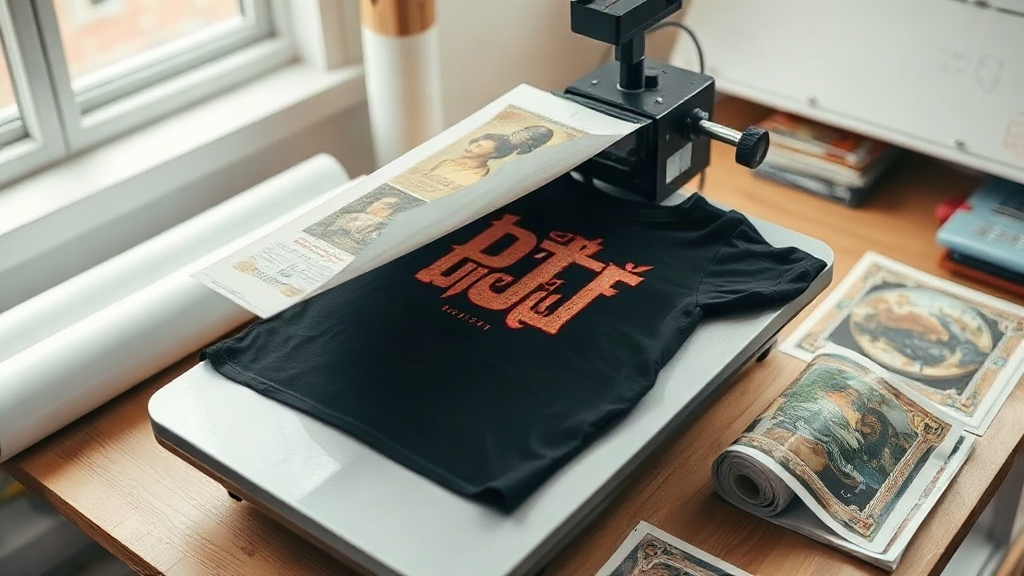
If you have been around custom apparel or t-shirt printing lately, you have likely heard the buzz about DTF transfers. This technology is quickly becoming a favorite for small shops and large operations alike, and for good reason. Unlike traditional methods that require specific fabrics or complicated setups, DTF transfers open up a world of possibilities. Whether you are printing a single custom banner or a hundred team jerseys, understanding DTF transfers can save you time and money while delivering outstanding quality.
What Are DTF Transfers?
DTF stands for Direct to Film. It is a printing method where your design is printed onto a special film, coated with a powder adhesive, and then heat-pressed onto the fabric. The process is surprisingly straightforward, but the results are anything but basic. The print sits on top of the fabric, bonded by the adhesive, creating a vibrant, stretchable image that can handle daily wear and tear.
What sets DTF apart from other methods like DTG (Direct to Garment) or screen printing is its versatility. You can print on cotton, polyester, blends, and even some non-fabric materials. That means no more turning down orders because a customer brought a 50/50 blend shirt. DTF transfers handle them all with ease.
How DTF Transfers Work: A Step-by-Step Breakdown
To appreciate DTF transfers, it helps to understand the process. Here is what happens from design to finished product:
- Design Preparation: Your artwork is prepared digitally, ensuring colors are vibrant and details are sharp.
- Printing: A specialized printer lays down the design onto a PET film using pigment-based inks. A white layer is often added behind the colors to make them pop on dark fabrics.
- Powder Application: While the ink is still wet, a hot-melt adhesive powder is sprinkled over the film. The excess powder is shaken off, leaving a thin, even layer.
- Curing: The film goes through a curing oven or heat press to melt the powder, creating a dry, tacky surface.
- Transfer: The film is placed on the fabric and heat-pressed. The adhesive bonds with the fabric, and the film is peeled away, leaving the design behind.
This multi-step process might sound complex, but with the right equipment, it becomes second nature. Many small businesses start with a basic DTF printer and a heat press, then scale up as demand grows.
Why Choose DTF Transfers Over Other Methods?
There are several compelling reasons why DTF transfers have gained such a loyal following. Let us break down the key advantages.
1. Unmatched Versatility
As mentioned, DTF works on almost any fabric. This is a game-changer for anyone who prints on a variety of garments. You no longer need to stock different types of transfers or turn away customers with unusual fabric requests. From 100% cotton tees to polyester performance wear, DTF transfers deliver consistent results.
2. Vibrant, Detailed Prints
DTF transfers produce incredibly vibrant colors and fine details. Because the design is printed with pigment inks and backed with white, it stands out beautifully on both light and dark garments. Gradients, photographs, and intricate patterns all reproduce faithfully.
3. Durability That Lasts
When applied correctly, DTF transfers are extremely durable. They resist cracking, peeling, and fading even after many washes. The adhesive bonds firmly to the fabric, so the print moves with the material instead of sitting rigidly on top. This makes DTF transfers ideal for items that get heavy use, like workwear or sports jerseys.
4. Cost-Effective for Short Runs
Screen printing requires setup costs for each color, which can be prohibitive for small orders. DTF transfers have no setup fees and no minimums. You can print one or one hundred with the same ease. This makes them perfect for custom banners, personalized gifts, or sample runs.
5. Easy to Use
Once you have your transfers, applying them is simple. A heat press and a few seconds are all you need. No messy inks or chemicals. This low barrier to entry has made DTF a popular choice for home-based businesses and crafters.
Potential Drawbacks of DTF Transfers
No method is perfect, and DTF has its limitations. Being aware of them helps you set realistic expectations.
- Hand Feel: DTF prints have a slight texture, especially on large solid areas. Some people prefer the softer feel of screen printing or DTG. However, advances in adhesives and thinner films are continuously improving the hand feel.
- Breathability: Because the print sits on top of the fabric, it can reduce breathability in that area. For performance wear, this might be a consideration, though many athletes find it acceptable.
- Equipment Needs: While the application is easy, producing your own DTF transfers requires a printer, powder, and curing equipment. Alternatively, you can order pre-made transfers from a supplier, which eliminates the production setup.
DTF Transfers vs. Other Printing Methods
How does DTF stack up against the competition? Here is a quick comparison.
DTF vs. DTG
DTG (Direct to Garment) prints directly onto the fabric. It works best on 100% cotton and can produce a soft hand. However, DTG requires pre-treatment, and colors may not be as vibrant on dark shirts. DTF, on the other hand, works on more fabrics and often yields brighter colors without pre-treatment.
DTF vs. Screen Printing
Screen printing is the gold standard for large orders of simple designs. It offers excellent durability and a soft feel. But it involves setup costs and is not cost-effective for small batches or complex multi-color designs. DTF shines for short runs and detailed artwork.
DTF vs. Vinyl
Heat transfer vinyl (HTV) is great for simple text and shapes, but it cannot handle intricate details or full-color images. DTF transfers can reproduce photographs and gradients with ease, making them far more versatile.
Applications of DTF Transfers
The uses for DTF transfers are nearly endless. Here are some popular applications:
- Custom T-shirts: From family reunions to brand merch, DTF transfers create vibrant, lasting designs.
- Sportswear: Jerseys, shorts, and jackets benefit from the stretchability and durability of DTF.
- Banners and Signs: While not as common, DTF can be used on fabric banners for indoor displays.
- Promotional Items: Tote bags, hats, and even shoes can be customized with DTF transfers.
- Personalized Gifts: Create one-of-a-kind presents with photos or inside jokes.
How to Get the Best Results with DTF Transfers
To ensure your DTF transfers look great and last long, follow these best practices.
Choose the Right Fabric
While DTF works on many fabrics, some perform better than others. Cotton and cotton blends are ideal. For synthetic fabrics, test a small area first to ensure good adhesion. Pre-washing the garment to remove sizing can also improve results.
Use a Quality Heat Press
A consistent heat press is crucial. You need even pressure and accurate temperature control. Typical settings are 325°F for 15-20 seconds with medium pressure. Always follow the transfer supplier's recommendations.
Master the Peel
DTF transfers can be peeled hot or cold, depending on the film. Most modern films are cold peel, meaning you wait for the transfer to cool before removing the film. This prevents the design from stretching or lifting.
Proper Storage
Store unused transfers in a cool, dry place away from direct sunlight. Moisture can affect the adhesive powder, so keep them sealed until ready to use.
Care Instructions
Instruct your customers to wash garments inside out in cold water and tumble dry low. Avoid ironing directly on the print. With proper care, DTF prints can last for years.
Frequently Asked Questions About DTF Transfers
How long do DTF transfers last?
With proper application and care, DTF transfers can last as long as the garment itself. They resist cracking and fading for 50+ washes when washed inside out in cold water and dried on low heat.
Can I use DTF transfers on dark colors?
Absolutely. DTF transfers include a white ink layer that makes colors pop on dark fabrics. This is one of their biggest advantages over DTG, which often requires a white base to be printed first.
Do I need a special printer for DTF transfers?
Yes, if you want to produce your own transfers. DTF printers use special inks and film. However, you can also order custom DTF transfers from a supplier and apply them with just a heat press.
What is the difference between DTF and DTG?
DTF transfers are printed on film and then applied to the fabric, while DTG prints directly onto the garment. DTF works on more fabric types and often produces more vibrant colors, while DTG is limited mostly to cotton and can have a softer feel.
Can I stretch DTF transfers?
Yes, DTF transfers are flexible and can stretch with the fabric without cracking. This makes them ideal for athletic wear and fitted garments. However, excessive stretching beyond the fabric's limits may cause damage.
Final Thoughts
DTF transfers have revolutionized the custom apparel industry by offering versatility, durability, and vibrant colors without the constraints of traditional methods. Whether you are a business owner looking to expand your offerings or a hobbyist wanting to create personalized items, DTF transfers are worth exploring. With the right techniques and a bit of practice, you can achieve professional results that impress your customers and keep them coming back.