
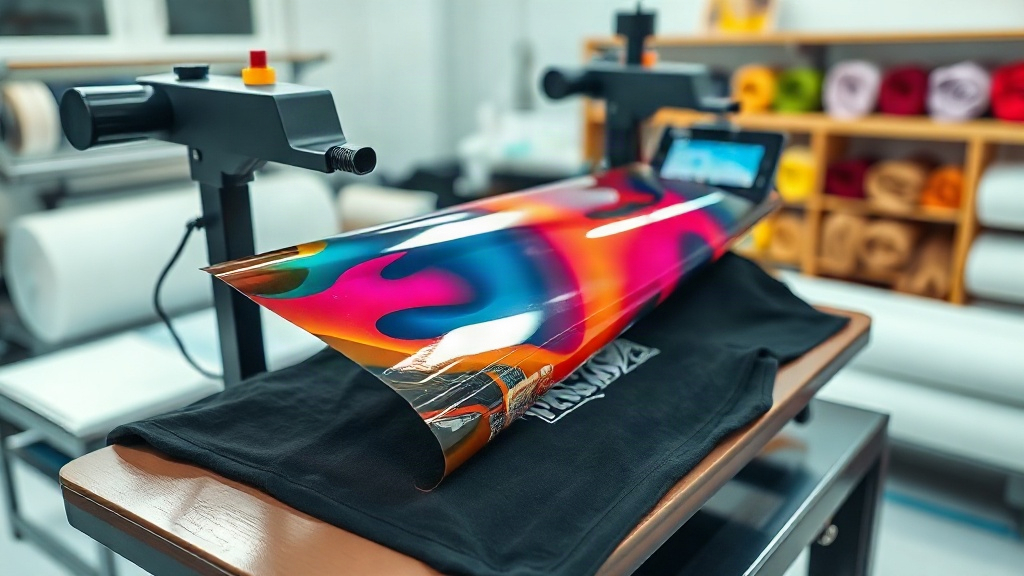
When it comes to custom apparel, DTF transfers have quickly become a game-changer for businesses and creators. Unlike traditional methods, DTF (Direct to Film) printing offers incredible versatility, allowing you to print full-color designs on a wide range of fabrics with ease. Whether you're a small business owner looking to create branded merchandise or a DIY enthusiast wanting to personalize your wardrobe, understanding DTF transfers can open up a world of possibilities.
What Are DTF Transfers?
DTF transfers are a type of heat transfer that involves printing a design onto a special film, then using a heat press to apply it to fabric. The process uses water-based inks and a powdered adhesive to create a durable, flexible print. Unlike DTG (Direct to Garment) printing, which requires pre-treatment and works best on cotton, DTF transfers can be applied to almost any fabric, including polyester, blends, and even nylon. This makes them incredibly popular for custom t-shirts, hoodies, tote bags, and more.
The DTF Printing Process
The DTF process starts with a digital design. The design is printed onto a PET film using specialized DTF printers. While the ink is still wet, a fine powder adhesive is applied and then melted into the ink. The film is then ready to be transferred. When you're ready to apply, you simply place the film on the fabric, apply heat and pressure with a heat press, and peel off the film. The result is a vibrant, durable print that stretches with the fabric and withstands repeated washing.
Why Choose DTF Transfers Over Other Methods?
There are several reasons why DTF transfers have gained such popularity. First, they offer unmatched color vibrancy. Because the design is printed with a wide color gamut, you can achieve photorealistic images and gradients that other methods struggle with. Second, DTF transfers are extremely durable. They don't crack or fade easily, even after many washes. Third, they work on a variety of fabrics, including dark colors, without needing a white underbase. This eliminates the need for multiple screens or special treatments. Finally, DTF transfers are cost-effective for short runs and complex designs, making them ideal for small businesses and on-demand printing.
DTF vs. DTG vs. Screen Printing
To better understand DTF, let's compare it to other common printing methods. DTG printing is great for cotton shirts but requires pre-treatment and can be limiting on dark garments. Screen printing is cost-effective for large orders but expensive for small batches and multi-color designs. DTF transfers, on the other hand, offer the best of both worlds: no minimum order, no color limitations, and applicability on almost any fabric. While DTF may have a slightly higher cost per print than screen printing for large runs, its flexibility and quality make it a top choice for many.
How to Apply DTF Transfers
Applying DTF transfers is straightforward, but following the right steps ensures a professional finish. Here's a step-by-step guide:
- Prepare your heat press: Set the temperature to around 300-325°F (150-160°C) and preheat for a few seconds.
- Pre-press the garment: This removes moisture and wrinkles, ensuring a smooth surface.
- Position the transfer: Place the DTF film on the fabric with the design facing up.
- Apply heat and pressure: Press for 10-15 seconds with medium to firm pressure.
- Peel the film: Wait a few seconds for it to cool, then peel off the film. For a matte finish, peel while hot; for glossy, peel cold.
- Post-press (optional): For extra durability, cover with parchment paper and press again for a few seconds.
Always test on a scrap piece of fabric first to dial in your settings.
Designing for DTF Transfers
When creating designs for DTF transfers, keep a few things in mind. Because DTF can handle fine details and gradients, you have a lot of creative freedom. However, avoid extremely thin lines or tiny text, as they may not transfer well. Also, consider the fabric color: DTF prints are opaque, so they show up well on both light and dark garments. If you're using a design with white, it will appear white on any color. For best results, use high-resolution images (300 DPI or higher) and save your file in a format like PNG with a transparent background.
Popular Applications for DTF Transfers
DTF transfers are used for a wide range of products. Beyond t-shirts, they're great for hoodies, polo shirts, caps, and even leather items. Small businesses use DTF to create custom merchandise for events, sports teams, and corporate branding. Crafters love DTF for personalizing gifts and creating unique pieces. Because DTF works on so many materials, the possibilities are endless.
Common Mistakes to Avoid with DTF Transfers
Even though DTF is forgiving, some common mistakes can ruin your results. First, using too little pressure can cause the transfer to peel off. Second, not pre-pressing the garment can lead to uneven application. Third, peeling the film too soon or too late can affect the finish. Fourth, using the wrong temperature can either burn the fabric or not activate the adhesive properly. Always follow the manufacturer's recommendations and test before full production.
DTF Transfers: A Sustainable Choice?
Sustainability is a growing concern in the apparel industry. DTF transfers use water-based inks, which are more environmentally friendly than plastisol inks used in screen printing. The process also reduces waste because you only print what you need, and there's no need for chemical pre-treatments. However, the PET film used in DTF transfers is not biodegradable, so proper disposal is important. Some companies are exploring biodegradable films, which could make DTF even more eco-friendly in the future.
Frequently Asked Questions About DTF Transfers
How long do DTF transfers last?
With proper application and care, DTF transfers can last as long as the garment itself. They withstand dozens of washes without cracking or fading. To extend their life, wash inside out in cold water and avoid ironing directly on the print.
Can I use DTF transfers on 100% polyester?
Yes, DTF transfers work exceptionally well on polyester and polyester blends. The low temperature application prevents the fabric from melting or scorching, and the print adheres strongly.
Do I need a special printer for DTF transfers?
Yes, DTF printing requires a specialized printer that uses DTF inks and a powder shaker. However, you can also purchase pre-printed DTF transfers from suppliers and apply them with a heat press.
What fabrics can I use with DTF transfers?
DTF transfers can be applied to cotton, polyester, blends, nylon, leather, and more. They are not recommended for fabrics with a heavy texture or those that cannot withstand heat.
How do I store DTF transfers?
Store unused DTF transfers in a cool, dry place, away from direct sunlight. Keep them in a sealed bag to prevent dust and moisture from affecting the adhesive.
DTF transfers are revolutionizing custom apparel, offering unparalleled versatility and quality. Whether you're a business looking to expand your product line or an individual wanting to create unique designs, DTF transfers provide a reliable and impressive solution. At The Custom Banner, we specialize in high-quality DTF transfers and custom printing services. Contact us today to bring your designs to life!