
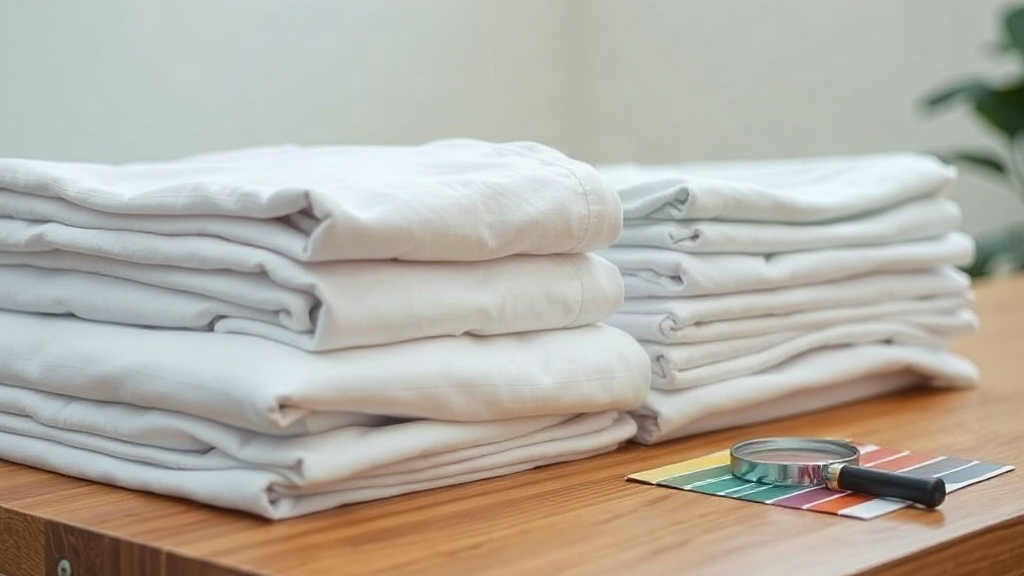
When you order custom printed products, the last thing you want is a surprise: a shirt that shrinks, a banner that fades, or a mug that cracks in the dishwasher. The difference between a successful project and a costly mistake often comes down to the blank you choose. That's where smart blanks come in. These are specially selected, high-quality base items designed to work flawlessly with printing techniques, ensuring your design looks great and lasts. Whether you're a small business owner, event organizer, or a DIY enthusiast, understanding smart blanks can save you time, money, and frustration.
What Are Smart Blanks?
Smart blanks are not just any plain item. They are products that have been vetted for printability, durability, and consistency. Think of them as the canvas for your artwork. Unlike generic blanks, smart blanks are chosen with specific printing methods in mind, such as screen printing, heat transfer, embroidery, or digital printing. They often come with features like tight weave, smooth surfaces, or special coatings that help ink adhere better and resist fading. In essence, smart blanks are the foundation of a professional-looking custom product.
Why Smart Blanks Matter for Your Project
Choosing the wrong blank can ruin even the best design. A rough fabric might blur fine details, while a cheap plastic could warp under heat. Smart blanks eliminate these risks by offering predictable results. They also save you money in the long run because you're less likely to reorder due to defects. Plus, they often come from reputable manufacturers with ethical and sustainable practices, which can enhance your brand's image.
How to Choose the Right Smart Blanks
Not all smart blanks are created equal. The best choice depends on your specific project, printing method, and budget. Here are key factors to consider:
- Material: Cotton, polyester, and blends behave differently. Cotton is breathable and takes screen printing well, while polyester is durable and holds vibrant colors for sublimation.
- Weight and thickness: Heavier fabrics like 100% cotton twill are great for structured items like caps, while lighter options work for banners.
- Color: White blanks are the most versatile for printing, but colored blanks can reduce ink costs if your design uses negative space.
- Printing compatibility: Always check if the blank is recommended for your chosen technique. For example, some blanks are pre-treated for digital printing.
- Quantity and budget: Buying in bulk often lowers per-unit cost, but make sure the blanks meet your quality standards first.
Top Smart Blanks for Popular Printing Methods
To give you a head start, here are some smart blank recommendations based on common printing techniques:
- Screen Printing: 100% ring-spun cotton t-shirts. They have a smooth surface that holds detail and feels soft.
- Heat Transfer Vinyl: Polyester performance shirts. They withstand heat and stretch without cracking.
- Embroidery: Structured caps and polos with a tight weave. They prevent puckering and hold stitches well.
- Digital Printing: Coated banners and rigid signs. They provide sharp resolution and vivid colors.
Common Mistakes to Avoid with Smart Blanks
Even with smart blanks, a few missteps can derail your project. Watch out for these pitfalls:
- Skipping test prints: Always do a small test run to check color accuracy and adhesion.
- Ignoring care instructions: Some blanks require specific washing or handling to maintain print quality.
- Mismatching ink and material: Using the wrong ink type can lead to fading or cracking.
- Overlooking shrinkage: Pre-shrunk blanks are available; otherwise, account for potential size changes.
- Buying based on price alone: Cheap blanks often have inconsistencies that cost more in the end.
Maximizing Results: Tips from the Pros
Professionals who work with smart blanks every day have a few tricks up their sleeves. First, order samples before committing to a large batch. This lets you feel the material and test your design. Second, store blanks in a clean, dry environment to prevent dust or moisture damage. Third, communicate with your printer about the specific blank you're using; they may have settings that optimize output. Finally, consider the end-use: a shirt for a 5K race needs to be comfortable and durable, while a promotional banner might prioritize color vibrancy over softness.
Frequently Asked Questions About Smart Blanks
What does "smart blank" mean in custom printing?
A smart blank is a base product (like a t-shirt, banner, or mug) that has been specifically selected for its compatibility with printing methods, ensuring high-quality, durable results.
Are smart blanks more expensive than regular blanks?
They can be slightly pricier, but the reduced risk of errors and better longevity often make them more cost-effective overall.
Can I use smart blanks for any printing technique?
Not all blanks work with all techniques. Always check the manufacturer's recommendations for screen printing, heat transfer, embroidery, or digital printing.
How do I know if a blank is "smart"?
Look for blanks that are labeled as print-ready, have consistent quality, and are recommended for your specific printing method. Reviews and samples can help you decide.
Where can I buy smart blanks?
Many online retailers and specialty suppliers offer smart blanks. For custom printing services, companies like TheCustomBanner.com provide a range of vetted blanks for various projects.