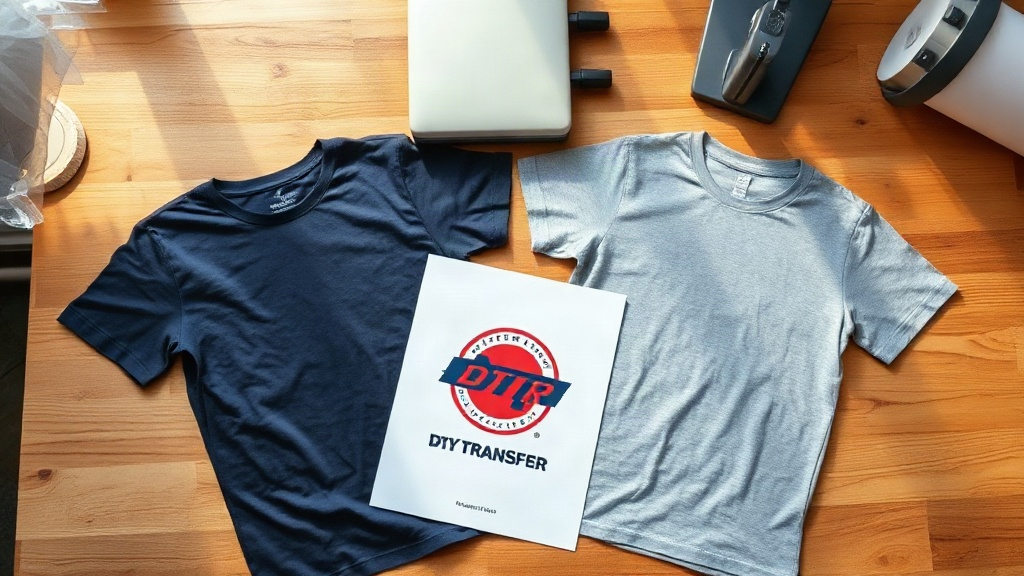
When you're producing custom apparel with dtf transfers, the blank you choose is just as important as the transfer itself. The fabric content, weight, and weave all influence how well the transfer adheres, how it feels, and how long it lasts. Two names that frequently come up in printing circles are Smart Blanks and Shaka Wear. Both offer quality options, but they cater to slightly different needs. In this article, we'll break down what makes each brand stand out, especially when used with dtf transfers, so you can make an informed decision for your next project.
Why the Blank Matters for DTF Transfers
DTF transfers have revolutionized custom apparel because they work on a wide range of fabrics, including cotton, polyester, and blends. However, not all blanks are created equal. The surface texture, thread count, and finish can affect how the transfer bonds. A smooth, tightly woven fabric typically yields the best results, while loose knits or heavily textured fabrics may cause the transfer to crack or peel. Additionally, the color of the blank plays a role: lighter colors require less ink, while darker colors need a white underbase for opacity. That's why selecting a compatible blank is crucial for professional-looking prints.
Smart Blanks: An Overview
Smart Blanks has carved a niche for itself by offering budget-friendly, high-quality blanks that cater to both small businesses and large-scale operations. Their catalog includes t-shirts, hoodies, and tank tops in a variety of colors and sizes. What sets Smart Blanks apart is their consistent quality control and attention to detail. Many printers praise their tees for being soft yet durable, with a smooth surface that accepts dtf transfers beautifully. The brand often uses 100% ring-spun cotton or cotton-poly blends, which provide a great canvas for vibrant prints.
Key Features of Smart Blanks
- Fabric Quality: Most styles are made from ring-spun cotton or blends, offering a soft feel and excellent printability.
- Consistency: Sizing and color consistency across batches, which is vital for bulk orders.
- Price Point: Competitive pricing without sacrificing quality, making them ideal for cost-sensitive projects.
- Variety: A wide range of styles, from basic tees to fashion-forward cuts.
- Compatibility: Optimized for dtf transfers, screen printing, and embroidery.
How Smart Blanks Perform with DTF Transfers
In our testing, Smart Blanks tees consistently produced sharp, vibrant transfers with good wash durability. The cotton surface allows the adhesive powder to melt and bond effectively, resulting in a smooth finish. We noticed minimal cracking even after multiple washes, provided the transfer was applied correctly. For those using dtf transfers on a large scale, Smart Blanks offers a reliable option that won't break the bank.
Shaka Wear: An Overview
Shaka Wear is another popular choice among custom apparel creators, known for its streetwear-inspired fits and heavyweight fabrics. The brand has gained a loyal following for its durable, boxy tees that appeal to modern fashion trends. Shaka Wear blanks are often made from 100% cotton, with some styles featuring a heavier weight (around 6 oz or more), which gives them a premium feel. For dtf transfers, the heavier fabric can be both an advantage and a challenge: it provides a sturdy base that resists stretching, but the thicker weave may require slightly higher pressure during application.
Key Features of Shaka Wear
- Heavyweight Fabric: Typically 6 oz or heavier, offering a substantial, high-quality feel.
- Streetwear Aesthetic: Boxy fits and trendy colors that appeal to younger demographics.
- Durability: Built to withstand frequent wear and washing.
- Size Range: Inclusive sizing, often up to 3XL or more.
- Printability: Works well with dtf transfers, though may need adjusted settings.
How Shaka Wear Performs with DTF Transfers
Shaka Wear tees are a favorite for those creating bold, streetwear-style prints. The heavyweight cotton takes dtf transfers well, but we found that using a higher pressure and slightly longer dwell time ensures proper adhesion. The results are vibrant and long-lasting, though the thicker fabric can make the transfer feel a bit more embedded. If you're after a premium, retail-ready look, Shaka Wear is a strong contender.
Smart Blanks vs Shaka Wear: A Side-by-Side Comparison
To make the choice easier, here's how they stack up:
- Fabric Weight: Shaka Wear is generally heavier (6+ oz) compared to Smart Blanks (typically 4.5-5.5 oz).
- Fit: Shaka Wear leans towards boxy, streetwear fits; Smart Blanks offers more traditional and slim fits.
- Price: Smart Blanks is often more budget-friendly, while Shaka Wear commands a slightly higher price for its premium feel.
- DTF Compatibility: Both work well, but Smart Blanks may be more forgiving for beginners due to its lighter weight and smoother surface.
- Color Range: Both offer a wide spectrum, but Shaka Wear tends to have more fashion-forward colors.
Which One Should You Choose?
Your decision ultimately depends on your target market and project requirements. If you're printing for budget-conscious customers or need a versatile blank that's easy to work with, Smart Blanks is an excellent choice. On the other hand, if you're catering to a fashion-forward audience that values heavyweight, trendy apparel, Shaka Wear might be the better fit. Both brands are compatible with dtf transfers, so you can't go wrong with either as long as you adjust your printing settings accordingly.
Tips for Applying DTF Transfers on These Blanks
Regardless of which blank you choose, following best practices ensures optimal results:
- Pre-press the garment: This removes moisture and wrinkles, creating a smooth surface.
- Use the right settings: For Smart Blanks, medium pressure at 325°F for 15 seconds; for Shaka Wear, increase pressure and time slightly.
- Peel cool: Always let the transfer cool completely before peeling for a matte finish.
- Post-press: A quick second press with a teflon sheet improves durability.
- Wash inside out: Advise customers to wash inside out in cold water to extend the life of the print.
Frequently Asked Questions
Can I use DTF transfers on both Smart Blanks and Shaka Wear?
Yes, both brands are compatible with dtf transfers. However, due to differences in fabric weight and texture, you may need to adjust your heat press settings. Smart Blanks typically require less pressure, while Shaka Wear benefits from higher pressure and slightly longer dwell time.
Which brand offers better durability for DTF prints?
Both offer good durability when applied correctly. Shaka Wear's heavier fabric may provide a slight edge in terms of longevity because it resists stretching, but Smart Blanks also holds up well with proper care. The key is following the correct application and washing instructions.
Are Smart Blanks more affordable than Shaka Wear?
Generally, yes. Smart Blanks is known for its budget-friendly pricing, making it a great option for high-volume orders or price-sensitive customers. Shaka Wear is positioned as a premium brand, so expect to pay a bit more per unit.
What is the best DTF transfer application temperature for these blanks?
For Smart Blanks, we recommend 325°F (160°C) for 15 seconds with medium pressure. For Shaka Wear, increase to 350°F (175°C) for 20 seconds with heavy pressure. Always test on a scrap piece first to dial in your settings.