Custom apparel printing has evolved dramatically over the past decade, and one of the most exciting innovations to emerge is dtf transfers. Whether you're a small business owner looking to create branded merchandise, a sports team manager equipping players, or simply someone who loves personalized clothing, understanding DTF technology can save you time, money, and frustration. In this guide, we'll explore what DTF transfers are, how they work, and why they might be the perfect solution for your next project.
What Are DTF Transfers?
DTF stands for Direct-to-Film, a printing method where designs are printed onto a special film and then transferred to fabric using heat and pressure. Unlike DTG (Direct-to-Garment) printing, which prints directly onto the fabric, DTF uses a two-step process: first, the design is printed onto a PET film, then a layer of adhesive powder is applied, and finally, the film is pressed onto the garment. This method allows for vibrant, full-color prints on a wide range of materials, including cotton, polyester, blends, and even some synthetics.
How Does the DTF Printing Process Work?
The DTF process can be broken down into four main steps:
- Design Preparation: Your artwork is prepared digitally, ensuring it's high-resolution and properly color-separated.
- Printing onto Film: Using a DTF printer, the design is printed onto a special film with water-based inks. A white ink layer is often applied as a base to make colors pop on dark fabrics.
- Powder Application: While the ink is still wet, a hot-melt adhesive powder is applied to the printed film. Excess powder is shaken off, and the film is cured to melt the powder.
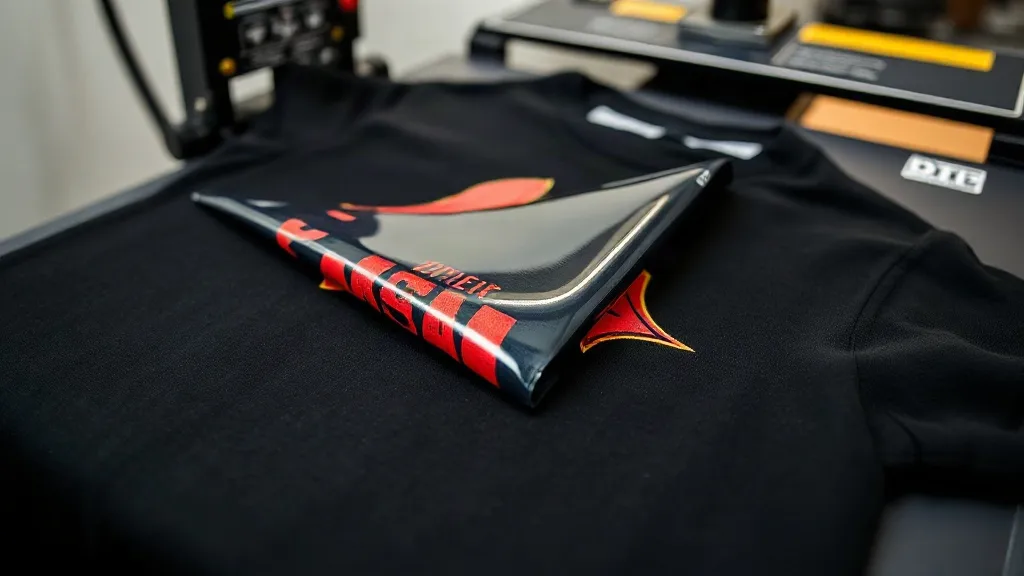
- Heat Transfer: The film is then placed on the fabric and pressed with a heat press at a specific temperature and pressure. After cooling, the film is peeled away, leaving the design bonded to the fabric.
Why Choose DTF Transfers?
There are several compelling reasons to consider DTF for your custom apparel needs:
- Vibrant Colors: DTF prints can achieve highly detailed, photo-realistic images with bright, saturated colors that stand out.
- Versatility: Works on almost any fabric, including cotton, polyester, blends, and even nylon. It's also great for hard-to-print items like caps and bags.
- Durability: When properly applied, DTF prints are resistant to cracking, peeling, and fading, even after multiple washes.
- Cost-Effective for Small Runs: Unlike screen printing, which requires setup costs for each color, DTF is economical for short runs and one-off designs.
- No Weeding or Masking: The process eliminates the tedious steps of weeding vinyl, making it faster and easier.
DTF vs. Other Printing Methods
To appreciate DTF fully, it helps to compare it with other common printing techniques:
DTF vs. DTG
DTG prints directly onto the garment, which can be limiting on dark colors and certain fabrics. DTF, with its adhesive layer, adheres well to various materials and produces more consistent results on dark garments.
DTF vs. Screen Printing
Screen printing is ideal for large orders with few colors, offering a soft feel and low cost per unit. However, it requires screens for each color and has setup fees. DTF shines for complex, multi-color designs and small batches.
DTF vs. Vinyl
Heat transfer vinyl (HTV) is great for simple designs but struggles with intricate details and gradients. DTF handles complex artwork with ease and doesn't require weeding.
Applications of DTF Transfers
DTF technology is incredibly versatile and can be used for:
- Custom t-shirts, hoodies, and sweatshirts
- Sports jerseys and team uniforms
- Corporate apparel and promotional items
- Tote bags, aprons, and other accessories
- Personalized gifts
Choosing the Right DTF Service
When searching for dtf transfers near me, consider the following factors to ensure quality and reliability:
- Reputation: Look for reviews and testimonials from previous customers.
- Turnaround Time: Ensure they can meet your deadlines.
- Quality of Materials: Inquire about the inks and films used.
- Minimum Order Quantity: Some services have minimums; choose one that fits your needs.
- Customer Service: Responsive support can make the process smoother.
Tips for Successful DTF Printing
To get the best results from your dtf transfers, keep these tips in mind:
- Always use high-resolution images (300 DPI or higher).
- Pre-press the garment to remove moisture and wrinkles.
- Follow the recommended temperature, pressure, and time settings.
- Peel the film while it's warm or cold, depending on the film type.
- Wash garments inside out and avoid fabric softeners to prolong print life.
Frequently Asked Questions
How long do DTF transfers last?
With proper care, DTF transfers can last as long as the garment itself, often 50+ washes without significant fading or cracking.
Can I apply DTF transfers at home?
Yes, with a heat press. A home iron can work but may not provide consistent pressure and temperature, leading to subpar results.
What fabrics work best with DTF?
DTF works on almost all fabrics, but 100% cotton and polyester blends yield the best results. Very stretchy or heat-sensitive fabrics may require special handling.
Is DTF printing eco-friendly?
DTF uses water-based inks and produces less waste compared to some other methods, but the film and powder do have environmental considerations. Look for suppliers with eco-friendly options.
Whether you're launching a clothing line or creating team uniforms, dtf transfers offer a reliable, high-quality solution. With the right knowledge and a trusted provider, you can achieve professional results that impress.