
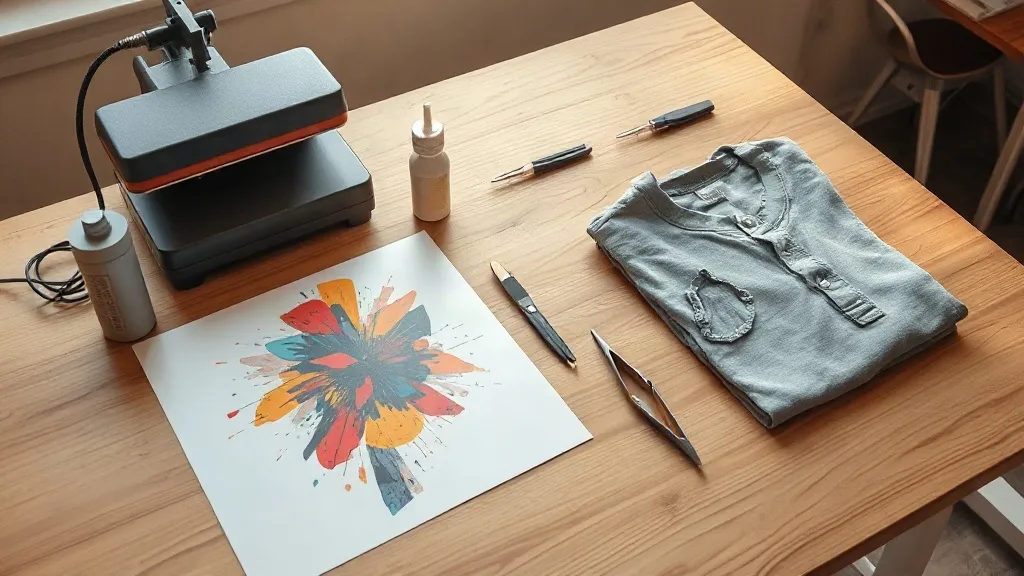
If you have ever tried to print a full-color logo onto a cotton tote or a polyester jersey and watched the colors turn muddy or the edges crack after two washes, you already understand why dtf transfers have become such a popular option in small print shops and home studios. Direct-to-film printing solves a very specific problem: it lets you put a detailed, multi-color design on almost any fabric without the setup cost of screen printing or the color limitations of heat transfer vinyl. This guide walks through how the process actually works, where it beats the alternatives, and the small details that separate a transfer that lasts fifty washes from one that peels in a week.
What DTF Printing Actually Does
dtf stands for direct-to-film. Instead of printing straight onto a shirt, a printer lays your artwork onto a special PET film in mirror image, using water-based pigment inks. While the ink is still wet, a layer of adhesive powder is sprinkled over it, then the film goes through a curing step so the powder melts and bonds with the ink. What you end up with is a flexible, rubbery transfer sheet that can be stored, shipped, and pressed onto fabric later.
The pressing step is where the magic happens. You place the film on the garment with the printed side down, apply heat and pressure for a short cycle, let it cool slightly, and peel the film away. The ink and adhesive stay behind, locked into the fibers. Because the adhesive is thermoplastic, it reflows under heat and grips cotton, polyester, blends, canvas, and even some nylons. That flexibility is the whole reason the method spread so fast.
Why Print Shops Keep Coming Back to DTF
Every decoration method has a trade-off. Screen printing is cheap at high volume but expensive to set up and painful for short runs with many colors. Vinyl cutting is fine for one-color names and numbers but falls apart with gradients or photographic artwork. Sublimation only works properly on light polyester. DTF sits in a useful middle ground.
No color limits, no minimums
A single transfer can carry a twelve-color illustration with soft gradients and fine text. There is no per-color charge and no screen to burn, so a one-off order costs roughly the same per piece as the hundredth unit. For a small brand testing a new design or a team ordering twenty hoodies with a detailed mascot, that changes the math completely.
Works on fabrics that normally fight back
Cotton, polyester, 50/50 blends, tri-blends, and even dark garments all accept DTF well. Sublimation cannot touch dark cotton, and vinyl struggles on stretchy polyester. If your product mix is unpredictable, having one method that handles nearly everything removes a lot of guesswork from quoting jobs.
Storage and shipping are simple
Cured transfers keep for months in a cool, dry place. That means a shop can print a batch, ship sheets to a customer with a heat press, or hold inventory without committing to finished garments. It is a genuinely practical workflow for print-on-demand sellers who do not want to stock blank shirts in every size.
Where DTF Falls Short
Honest coverage matters more than cheerleading. DTF prints sit on top of the fabric rather than soaking in, so on very lightweight or highly textured materials you can feel a slight hand. On large solid blocks of ink over stretchy athletic wear, the film can feel stiffer than a well-executed screen print. Wash durability is good when the press settings are right, but a cold or uneven press produces transfers that crack at the edges within a few cycles.
There is also a learning curve around powder application. Too little adhesive and the design will not bond; too much and you get a gritty texture and a cloudy halo around fine details. Shops that treat the powder step casually usually end up blaming the film for problems that start at the press.
Getting the Press Settings Right
Most transfer failures trace back to temperature, pressure, or timing. A reasonable starting point for cotton is around 300 to 320 degrees Fahrenheit for 10 to 15 seconds at medium pressure, with a second press of a few seconds after peeling for a matte finish. Polyester often prefers slightly lower heat and shorter dwell to avoid dye migration, and heat-sensitive fabrics may need a lower-temperature adhesive film.
Three habits make a real difference:
- Pre-press the garment for a few seconds to remove moisture before laying down the film.
- Use a Teflon or parchment cover sheet so the press platen does not stick to the adhesive.
- Peel warm or cold depending on the film spec, and never stretch the fabric while peeling.
Keep a log of settings per fabric type. After a dozen jobs you will have a reliable reference instead of guessing every time a new blank shows up.
Finding a Supplier That Fits Your Workflow
If you are setting up a small operation, searching for dtf transfers near me usually turns up local shops that can print sheets to order, which shortens turnaround and lets you inspect quality before committing to a bulk run. When comparing suppliers, ask about ink type, film thickness, and whether they cure with a proper powder shaker rather than hand-sprinkling. A quick sample press on your own fabric tells you more than any spec sheet. Look for clean edges on small text, no visible powder residue, and consistent color across the sheet.
Design Choices That Print Well
DTF handles detail better than most methods, but a few design habits improve results. Keep the smallest text at least six points and avoid ultra-thin hairlines under half a point, since those can break up during pressing. Leave a small margin of film around the artwork so the edges press cleanly. For dark garments, add a thin white underbase in your file rather than relying on the printer to guess. And when a design has large solid areas, consider breaking it into lighter coverage where possible, because less ink means a softer hand.
Frequently Asked Questions
How many washes do DTF transfers typically survive?
With correct pressing and a proper adhesive powder, most transfers hold up for 40 to 60 home wash cycles. Washing inside out in cold water and tumble drying on low extends that considerably. Avoid ironing directly over the print.
Can I apply DTF transfers with a home iron?
It is possible but unreliable. A home iron does not deliver even pressure across the whole design, so edges and corners often lift. A small clamshell or swing-away heat press is the better investment if you plan to do more than a few pieces.
Do DTF transfers work on dark and colored shirts?
Yes, and that is one of their main advantages. The white ink layer in the transfer provides opacity, so bright colors stay bright on black, navy, or red garments without a separate underbase step.
How should I store unused transfer sheets?
Keep them flat, dry, and away from direct heat and sunlight. A sealed bag or a drawer at room temperature works well. Avoid folding the sheets, since creases can transfer into the print during pressing.
Is DTF more affordable than screen printing for small orders?
For short runs, usually yes. Screen printing carries setup costs per color that only pay off at higher quantities. DTF has no per-color setup, so a ten-piece order with a complex design is often cheaper and faster through DTF.