
If you've been exploring custom apparel printing, you've likely encountered the term DTF. Short for Direct to Film, this method has rapidly gained popularity among hobbyists and professionals alike. Unlike traditional techniques that require specialized equipment or minimum orders, DTF offers a flexible, cost-effective way to transfer detailed designs onto various fabrics. Whether you're a small business owner, a craft enthusiast, or someone looking to personalize team uniforms, understanding DTF can open up a world of creative possibilities.
What Exactly Is DTF Printing?
DTF printing is a digital printing process where your design is printed onto a special film, coated with a powder adhesive, and then heat-pressed onto the fabric. The magic lies in its simplicity: you print, powder, cure, and press. No need for color separation, weeding, or multiple layers like with vinyl. The result is a soft, stretchable print that adheres well to cotton, polyester, blends, and even tough-to-print materials like nylon and leather.
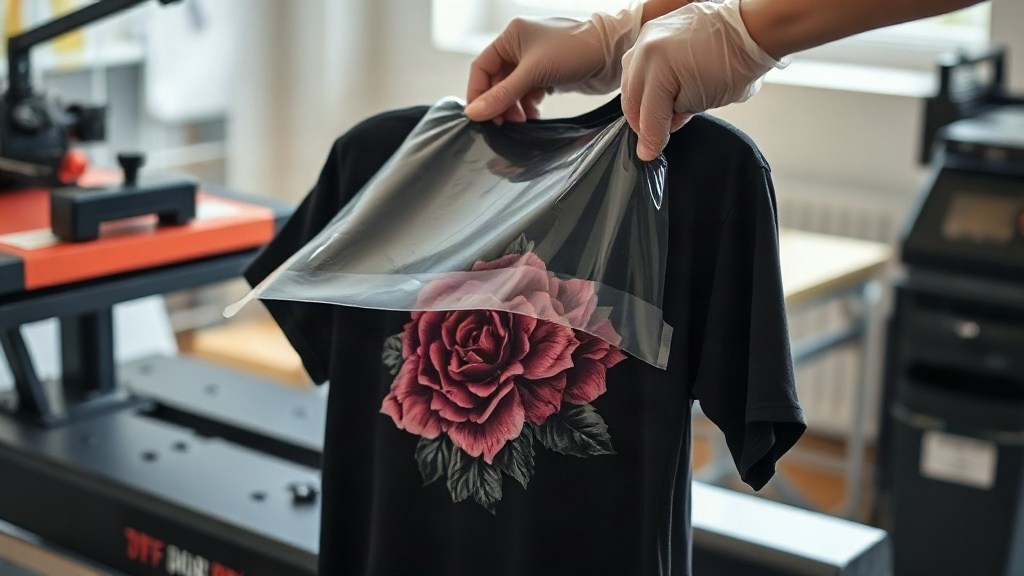
The process starts with a digital file. Using a DTF printer (often modified Epson or Ricoh models), you print your design onto a PET film using specialized pigment inks. While the ink is still wet, a fine thermoplastic powder is applied, which sticks to the ink. After shaking off the excess, the film is cured in an oven or with a heat gun. Finally, the transfer is placed on the garment and pressed with a heat press. The film is peeled off (hot or cold peel, depending on the film type), leaving a vibrant, durable print.
Why DTF Stands Out Among Printing Methods
Compared to screen printing, DTF requires no screens, no minimum order, and no color matching headaches. For small batches or one-off designs, it's far more economical. Vinyl printing, on the other hand, is limited in detail and requires weeding, which is time-consuming. DTF handles complex, multi-color designs with gradients and fine lines effortlessly. Plus, it works on dark and light fabrics without needing a white underbase (though a white layer is often printed as part of the design).
Durability is another strong point. When applied correctly, DTF prints withstand repeated washing without cracking or fading. They stretch with the fabric, making them ideal for athletic wear. The prints are also softer than those from some other methods, giving a comfortable feel.
Common Applications for DTF
- Custom t-shirts, hoodies, and joggers for teams, events, or resale
- Personalized gifts like tote bags, aprons, and pillowcases
- Promotional items for small businesses
- Activewear that requires flexibility and moisture management
- Denim jackets and other garments with tricky textures
Getting Started: Essential Supplies and Steps
To dive into DTF printing, you'll need a few key items. First, a DTF printer. While you can convert a standard inkjet printer, dedicated DTF printers are available and easier to use. You'll also need DTF inks, PET film, adhesive powder, a heat press, and a curing oven or heat gun. Don't forget a reliable design software like Photoshop or Illustrator to prepare your artwork.
The workflow is straightforward:
- Create or obtain your design. Remember to mirror the image before printing.
- Print the design onto the film using your DTF printer.
- Apply adhesive powder evenly over the wet print.
- Cure the film in an oven at around 160°C (320°F) for 2-3 minutes, or use a heat gun until the powder melts and becomes glossy.
- Pre-press the garment to remove moisture and wrinkles.
- Place the transfer on the garment and press at 160°C (320°F) for 15-20 seconds with medium pressure.
- Peel the film off (hot or cold, depending on film type) and enjoy your custom print!
Each step has nuances. For instance, powder application should be generous but not clumpy. Curing must be thorough; under-cured prints will wash out. Practice on scrap fabric to dial in your settings.
Tips for Flawless DTF Transfers
Even with the right equipment, small mistakes can ruin a print. Here are some hard-earned tips:
- DTF films have a coated side; make sure you print on the correct side. If unsure, breathe on the film: the coated side will show a faint pattern.
- Control humidity. High humidity can cause the powder to absorb moisture and clump. Store powder in an airtight container.
- Use a heat press with consistent pressure. Too little pressure leads to poor adhesion; too much can cause the design to spread.
- Test your peel method. Some films require hot peel (immediately after pressing), others cold peel (wait until cool). Follow the film manufacturer's instructions.
- Wash garments inside out in cold water and avoid fabric softeners to extend print life.
These details separate a professional-looking print from an amateur one. With a bit of practice, you'll develop a feel for what works.
Is DTF Right for Your Project?
DTF shines for small to medium batches, detailed designs, and when you want to avoid the setup costs of screen printing. It's also great for printing on a variety of fabrics without switching techniques. However, for very large orders, screen printing might be more cost-effective per unit. Also, DTF prints have a slight texture compared to dye sublimation, which is completely smooth but only works on polyester. Consider your priorities: if versatility and low minimums matter, DTF is a strong contender.
Frequently Asked Questions About DTF Printing
How durable is a DTF print?
When properly applied, a DTF print can last as long as the garment itself. It withstands 50+ washes without significant fading or cracking. Proper washing (inside out, cold water, no bleach) extends its life.
Can I use DTF on any fabric?
DTF adheres well to cotton, polyester, blends, nylon, leather, and more. It's not ideal for fabrics with heavy coatings or waterproof treatments, as the adhesive may not bond.
Do I need a special printer for DTF?
You can convert a standard inkjet printer (like an Epson EcoTank) with DTF inks and a film tray, but dedicated DTF printers offer better reliability and productivity. For occasional use, a converted printer works fine.
What's the difference between DTF and DTG?
DTG (Direct to Garment) prints directly onto the fabric, while DTF prints onto a film first. DTF works on more fabric types and often produces more vibrant colors on dark shirts. DTG is limited mostly to cotton and requires pretreatment.
How do I store DTF transfers?
Store unused transfers in a cool, dry place, away from direct sunlight. Keep them flat to prevent creasing. Properly stored, they last for months.
DTF printing has democratized custom apparel, making it accessible to anyone with a creative idea. With the right knowledge and a bit of practice, you can produce professional-quality prints from your own workspace. So why not give it a try? Your next custom creation is just a press away.