
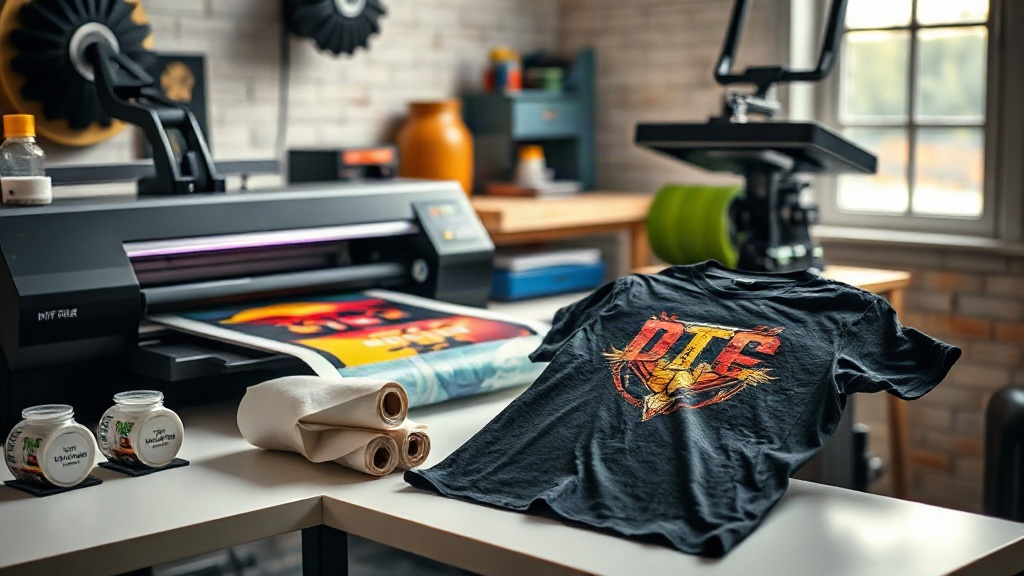
When you first dive into the world of print on demand, the array of printing methods can feel overwhelming. Among them, DTF printing has rapidly gained traction for its versatility and vibrant results. Unlike traditional techniques that require specific fabrics or extensive setup, DTF opens doors for creators who want to print on a wide range of materials without breaking the bank. In this guide, I'll walk you through exactly what DTF is, how it works, and why it might be the perfect fit for your custom apparel business.
What Is DTF Printing?
DTF stands for Direct to Film. It's a printing method where your design is first printed onto a special film, then coated with a powder adhesive, and finally heat-pressed onto the fabric. This process allows for full-color, high-detail prints on almost any material, including cotton, polyester, blends, and even leather. The key advantage is that you don't need to pretreat the garment or use specialty papers, making it accessible for small businesses and hobbyists alike.
How Does the DTF Process Work?
Let's break down the steps so you can see exactly what's involved. The process is straightforward once you have the right equipment, and it's surprisingly forgiving for beginners.
Step 1: Design Preparation
Start with a high-resolution image. Vector files work best, but high-quality PNGs (300 DPI or higher) are fine too. Remember that DTF can handle intricate details and gradients, so don't shy away from complex artwork. However, avoid very fine lines that might get lost during transfer. If you're using text, ensure it's legible at the final size.
Step 2: Printing the Film
Your design is printed onto a special PET film using DTF inks, which are typically pigment-based. The printer lays down a layer of white ink first (to make colors pop on dark fabrics), followed by the color layers. This is crucial: the white ink acts as a base, so even light colors show up vividly on black shirts. After printing, the film is dusted with a hot-melt adhesive powder. You'll need to shake off the excess, then cure the powder under heat until it melts and forms a smooth, dry layer.
Step 3: Heat Pressing
Once the film is ready, you place it on your garment with the printed side down. Using a heat press, apply medium pressure at around 300-325°F (150-160°C) for 10-15 seconds. Let it cool completely before peeling off the film. The result is a soft, stretchable print that adheres permanently. One of the best parts? You can pre-print films and store them for later, which is perfect for handling orders on demand.
Why Choose DTF for Print on Demand?
If you're running a print-on-demand business, DTF offers several compelling advantages over other methods like DTG (Direct to Garment) or screen printing.
- No color limitations: Unlike screen printing, which charges per color, DTF lets you print full-color designs at no extra cost. This is a huge win for artists with colorful, detailed artwork.
- Fabric versatility: You're not limited to 100% cotton. DTF works on polyester, nylon, leather, and even treated wood. That means you can expand your product line without investing in new equipment.
- Low minimums: With DTF, you can produce a single item or a hundred without the setup fees of screen printing. This aligns perfectly with the print-on-demand model.
- Durability: When applied correctly, DTF prints withstand dozens of washes without fading or cracking. They're also stretchable, so they move with the fabric.
- Cost-effective for small batches: The per-unit cost is reasonable, especially when you factor in the lack of minimums and the ability to use one film for multiple garments.
DTF vs. Other Printing Methods
To help you decide, here's a quick comparison of DTF with DTG and screen printing.
DTF vs. DTG
DTG prints directly onto the garment and works best on 100% cotton. It requires pretreatment, which adds time and cost. DTF, on the other hand, doesn't need pretreatment and adheres to more fabrics. However, DTG can produce a softer feel on light-colored cottons, while DTF has a slight texture due to the adhesive layer. For dark garments, DTF often wins because DTG requires a white underbase that can feel thick.
DTF vs. Screen Printing
Screen printing is cost-effective for large orders but has high setup costs and is impractical for small batches or complex designs. DTF shines for small to medium runs, offering full-color printing without screens. If you need 500+ identical shirts, screen printing might be cheaper per unit, but for anything less, DTF is more flexible.
Getting Started with DTF: What You Need
Ready to try DTF? Here's a checklist of essentials.
- DTF printer: You can convert an Epson printer with DTF inks and a RIP software, or buy a dedicated DTF printer. Dedicated printers are more reliable for consistent results.
- DTF film: Available in sheets or rolls. Choose a film thickness that matches your printer and desired durability.
- Adhesive powder: This is the hot-melt glue that bonds the ink to the fabric. Fine powder works for detailed designs, while coarser powder is for bold graphics.
- Heat press: A clamshell or swing-away press with accurate temperature control is crucial.
- Curing oven or heat gun: To melt the powder evenly. A dedicated curing oven gives the most consistent results.
- Software: RIP software helps manage color profiles and print settings.
Start with a small setup to learn the ropes. Many suppliers offer starter kits that include everything you need.
Tips for Success with DTF Printing
I've seen many beginners struggle with common pitfalls. Here are some tips to help you avoid them.
- Control moisture: DTF powder absorbs moisture from the air, which can ruin prints. Store powder in an airtight container and use a dehumidifier in your workspace.
- Test your heat press: Every press is different. Use a temperature gun to verify the actual platen temperature and adjust accordingly.
- Press twice for durability: After the initial press and peel, cover the print with a Teflon sheet and press again for 5 seconds. This ensures the adhesive fully bonds.
- Wash inside out: Advise your customers to wash garments inside out in cold water and hang dry. This extends the life of the print.
- Experiment with fabrics: Don't be afraid to try DTF on canvas bags, hats, or even shoes. The possibilities are vast.
Common Challenges and How to Overcome Them
Even with the best setup, you might encounter issues. Here's how to troubleshoot.
Prints Cracking or Peeling
This usually means insufficient pressure, temperature, or time during heat pressing. Increase pressure and ensure the powder is fully melted. Also, check that the garment is flat and free of wrinkles.
Colors Looking Dull
If colors appear muted, you might need to adjust your color profiles in the RIP software. Also, ensure the white ink layer is thick enough, especially on dark fabrics.
Film Jamming in Printer
This can happen if the film is not loaded correctly or if the printer's rollers are dirty. Clean the rollers and make sure the film is fed straight.
Frequently Asked Questions About DTF Printing
Can I use DTF on 100% polyester?
Yes, DTF works great on polyester. In fact, it often adheres better to polyester than DTG does. Just be mindful of the heat settings; polyester can scorch at high temperatures, so use a lower temperature (around 300°F) and test first.
How long do DTF prints last?
With proper application and care, DTF prints can last 50+ washes without significant fading. The key is to avoid high heat when washing and drying. Following the care instructions will ensure longevity.
Do I need a special printer for DTF?
You can convert a standard Epson printer (like the Epson 1430 or P800) with DTF inks and a RIP software, but dedicated DTF printers are designed for continuous use and offer better reliability. If you're serious about DTF, investing in a dedicated printer is worth it.
Is DTF printing cost-effective for small businesses?
Absolutely. The lack of minimums and the ability to print full-color designs without extra charges make DTF ideal for small businesses. The per-unit cost is competitive, especially when you factor in the versatility and durability.
What fabrics can I print on with DTF?
DTF adheres to cotton, polyester, blends, nylon, leather, and even some treated woods. It's one of the most versatile printing methods available, allowing you to expand your product offerings easily.
Final Thoughts
DTF printing is more than a trend; it's a robust solution for print-on-demand entrepreneurs. Its flexibility, vibrant results, and low barriers to entry make it an excellent choice for both beginners and experienced sellers. By understanding the process and avoiding common mistakes, you can create high-quality custom products that delight your customers. So why not give DTF a try? With a bit of practice, you'll be producing professional-grade prints in no time.