
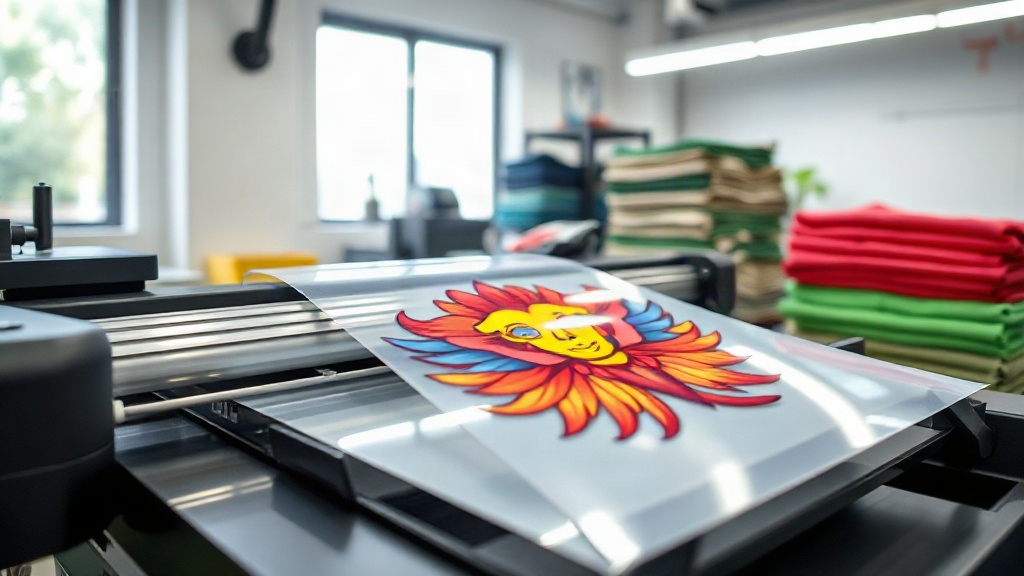
In the competitive world of print on demand, finding a printing method that balances quality, cost, and versatility is crucial. Enter DTF printing, or Direct to Film, a technology that has rapidly gained traction among POD sellers. Unlike traditional methods, DTF allows you to print intricate designs on a wide range of fabrics without the need for minimum orders or color limitations. Whether you're a seasoned entrepreneur or just starting, understanding DTF can give your business a significant edge.
What is DTF Printing?
DTF printing stands for Direct to Film. It's a process where your design is printed onto a special film, coated with adhesive powder, and then heat-pressed onto the fabric. This method differs from DTG (Direct to Garment) and screen printing because it doesn't require pre-treatment of the garment and works on almost any material, including cotton, polyester, blends, and even leather. The result is a soft, stretchable print that withstands repeated washing.
How DTF Works: Step by Step
Understanding the DTF workflow helps you appreciate its advantages. Here's a breakdown:
- Design Preparation: Create your artwork in a graphics program, ensuring it's mirrored (unless your printer software does it automatically).
- Printing: The design is printed onto a PET film using specialized DTF inks (CMYK plus white).
- Powdering: While the ink is still wet, a hot-melt adhesive powder is applied evenly over the print.
- Curing: The film passes through a heat source (oven or heat press) to melt the powder, creating a transferable layer.
- Transfer: The film is placed on the garment and heat-pressed. After cooling, the film is peeled away, leaving the design bonded to the fabric.
This process can be done in-house with a DTF printer and supplies, or outsourced to a service. Many POD sellers choose to outsource initially to avoid upfront equipment costs.
Why DTF is a Game-Changer for Print on Demand
Print on demand demands flexibility and efficiency. DTF delivers both. Here's why it stands out:
- No Color Restrictions: Unlike screen printing, which charges per color, DTF can print full-color, photographic designs at no extra cost.
- Works on Multiple Fabrics: From 100% cotton to polyester and blends, DTF adheres well, making it ideal for diverse product lines.
- Durability: Prints resist cracking, peeling, and fading, even after 50+ washes.
- No Minimums: Perfect for one-off orders and dropshipping.
- Soft Hand Feel: The print is thin and flexible, not plasticky.
- Cost-Effective for Small Batches: No setup fees or screens, so you can profit on low-volume orders.
These benefits make DTF a top choice for POD sellers looking to offer high-quality custom apparel without inventory risks.
DTF vs. Other Printing Methods
How does DTF compare to DTG, screen printing, and sublimation? Let's break it down.
DTF vs. DTG
DTG (Direct to Garment) prints directly onto the fabric, but it requires pre-treatment and works best on 100% cotton. DTF doesn't need pre-treatment and works on more fabrics. DTG often struggles with polyester, while DTF excels. However, DTG can be more cost-effective for large orders on cotton.
DTF vs. Screen Printing
Screen printing is cost-effective for bulk orders but has setup costs and color limitations. DTF has no setup fees and unlimited colors, making it superior for small batches and complex designs. Screen printing may offer slightly better durability on heavy fabrics, but DTF is close.
DTF vs. Sublimation
Sublimation only works on polyester and light-colored fabrics, and the ink becomes part of the fabric. DTF can print on cotton and dark colors, offering more versatility. Sublimation prints don't add texture, while DTF has a slight hand feel that softens over time.
Getting Started with DTF for Your POD Business
Ready to integrate DTF into your print on demand workflow? Here's how to start.
Choose Your Path: In-House vs. Outsourcing
If you're new to DTF, outsourcing to a reliable print partner is a smart low-risk entry. You upload your designs, and they handle printing and shipping. As your volume grows, you might invest in a DTF printer (starting around $1,500) and supplies. In-house gives you more control and faster turnaround but requires learning curve and maintenance.
Design Tips for DTF
To get the best results with DTF, follow these guidelines:
- Use high-resolution images (300 DPI).
- Include a white underbase for dark garments (your printer software may handle this).
- Avoid very fine lines or gradients that may not transfer well.
- Test prints on different fabrics to calibrate heat press settings.
Heat Press Settings
Typical settings: 325°F (160°C) for 15 seconds, medium pressure. Peel after cooling (cold peel) for best results. Always check your film and powder specifications.
Common Challenges and Solutions
Even with DTF, you might encounter issues. Here's how to troubleshoot:
- Faded Prints: Increase pressure or temperature; ensure powder is fully cured.
- Cracking: Stretch the print while warm to enhance elasticity, or adjust powder amount.
- Adhesion Problems: Pre-press garment to remove moisture; use higher pressure.
- Color Accuracy: Calibrate your printer and use ICC profiles.
With practice, you'll master DTF and minimize waste.
Is DTF Right for Your Print on Demand Store?
If you offer a variety of apparel (t-shirts, hoodies, tote bags) and want to provide vibrant, durable prints without inventory, DTF is likely a great fit. It's especially beneficial if you sell on multiple platforms (Etsy, Shopify, Amazon) and need consistent quality across products. However, if you specialize in 100% cotton and high-volume orders, DTG or screen printing might be more cost-effective. Evaluate your product mix and order volume to decide.
Frequently Asked Questions
What is DTF printing and how does it work?
DTF printing involves printing a design onto a special film, applying adhesive powder, curing it, and then heat-pressing it onto fabric. The film is peeled away, leaving a durable, flexible print.
Can DTF be used on dark and light fabrics?
Yes, DTF works on both dark and light fabrics because it uses a white ink layer as a base. This allows vibrant colors to show up on any background.
How durable is DTF printing?
DTF prints are highly durable, often lasting 50+ washes without fading, cracking, or peeling when properly applied and cared for.
Do I need special equipment for DTF printing?
You need a DTF printer, DTF inks, PET film, adhesive powder, and a heat press. Alternatively, you can outsource to a DTF service provider.
Is DTF printing cost-effective for small orders?
Absolutely. DTF has no setup fees or minimums, making it ideal for one-off orders and small batches, which is perfect for print on demand.