
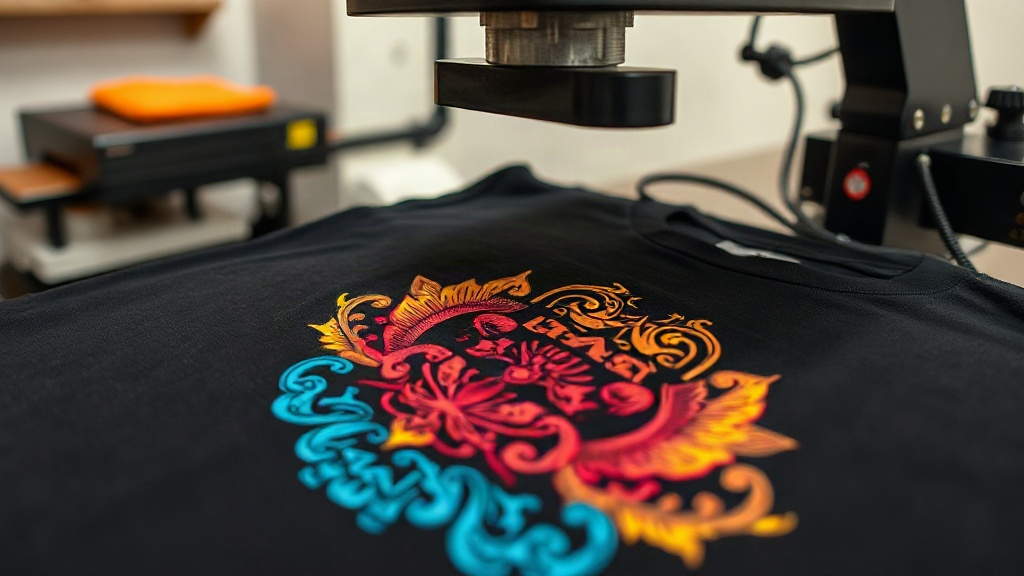
When it comes to decorating apparel with custom designs, DTF transfers have quickly become a favorite among professionals and DIY enthusiasts alike. Unlike traditional methods that limit you to certain fabrics or color palettes, DTF transfers open up a world of possibilities. Whether you're running a small business, managing a sports team, or just want to personalize your own wardrobe, understanding how DTF transfers work can save you time and money while delivering impressive results.
What Are DTF Transfers?
DTF stands for Direct to Film. It's a printing technology where your design is printed onto a special film, coated with a adhesive powder, and then heat-pressed onto fabric. The process begins with a digital printer that lays down CMYK inks plus white ink onto a PET film. The white ink acts as a base, allowing the colors to pop on both light and dark garments. After printing, a thermoplastic polyurethane (TPU) powder is applied to the wet ink, which acts as the adhesive when heat is applied.
The result is a transfer that feels soft, stretches with the fabric, and holds up wash after wash. Because the design is printed on film first, you can transfer it onto almost any fabric, including cotton, polyester, blends, and even leather. This versatility is a game-changer for anyone who works with diverse materials.
How DTF Transfers Compare to Other Printing Methods
If you've explored custom apparel printing, you've likely encountered heat transfer vinyl (HTV), screen printing, and direct-to-garment (DTG). Each has its strengths, but DTF carves out a unique niche.
DTF vs. HTV
HTV requires you to cut the design from a roll of vinyl, weed out the excess, and then press it. It's great for simple, single-color designs but becomes labor-intensive for multi-color or photographic images. DTF, on the other hand, prints the entire design in one go, including fine details and gradients. No weeding means faster production and less waste.
DTF vs. Screen Printing
Screen printing is cost-effective for large orders of the same design, but it requires separate screens for each color and has setup costs. DTF shines for small to medium runs, complex designs, and orders with multiple color variations. You can print one-off designs without breaking the bank.
DTF vs. DTG
DTG prints directly onto the garment, which works well for 100% cotton but struggles with polyester and dark colors. DTF transfers can be applied to a wider range of fabrics and produce vibrant colors on dark garments without pre-treatment. Plus, DTF transfers can be stored and used later, giving you flexibility.
The DTF Transfer Process Step by Step
Understanding the workflow helps you appreciate the craftsmanship behind each transfer. Here's what happens from digital file to finished garment.
- Design Preparation: Your artwork is prepared in a graphics program, ensuring it's mirrored and properly sized. The printer needs a transparent background for the white ink layer.
- Printing: A DTF printer lays down the colored inks and then the white ink on a special film. The white ink is crucial for opacity on dark fabrics.
- Powdering: While the ink is still wet, TPU powder is sprinkled over the film. The excess is shaken off, leaving powder only where there's ink.
- Curing: The film passes through a heat source (like a heat press or oven) to melt the powder, creating a flexible adhesive layer.
- Transfer: The film is placed on the garment and pressed with a heat press at specific temperature and pressure. After cooling, the film is peeled away, leaving the design bonded to the fabric.
Each step requires attention to detail, but once you have the equipment, it's a streamlined process.
Why Choose DTF Transfers for Your Custom Apparel?
There are plenty of reasons why DTF transfers have gained such a loyal following. Let's break down the key benefits.
- Vibrant Colors on Any Fabric: The white ink base allows colors to stand out on dark materials, and the technology works on cotton, polyester, blends, and more.
- No Weeding or Cutting: Unlike HTV, you skip the tedious weeding process, saving hours of labor.
- Durability: When applied correctly, DTF transfers withstand repeated washing without cracking, peeling, or fading.
- Cost-Effective for Small Runs: No setup fees or minimums, making it ideal for small businesses and personalized items.
- Design Freedom: Photographic images, gradients, and fine lines are all possible without losing detail.
- Storage and Shipping: Unused transfers can be stored for months and shipped easily, perfect for on-demand production.
These advantages make DTF a versatile tool for anyone in the custom apparel space.
Applications and Use Cases
DTF transfers are used across a wide range of industries and personal projects. Here are some common applications:
- Small Businesses: Create branded merchandise, uniforms, and promotional items without large inventory commitments.
- Sports Teams: Personalize jerseys, bags, and fan gear with player names and numbers.
- Event Merchandise: Produce limited-edition tees for concerts, festivals, and corporate events.
- DIY Enthusiasts: Make custom gifts, family reunion shirts, and one-of-a-kind pieces.
- Fashion Designers: Prototype and produce small-batch collections with intricate designs.
The flexibility of DTF means you're not limited by fabric type or design complexity.
Expert Tips for Perfect DTF Transfers
Getting professional results with DTF transfers requires more than just following the basics. Here are some insights from seasoned professionals.
Choose the Right Film and Powder
Not all DTF films are created equal. Look for films that offer good ink absorption and release. The TPU powder should have a fine particle size for smooth adhesion. Using quality supplies reduces the risk of clogged printers and poor transfer results.
Master Your Heat Press Settings
Temperature, pressure, and time are critical. Typically, you'll press at 325°F (160°C) for 15-20 seconds with medium pressure. However, always test with your specific equipment and fabric. Too much heat can scorch the fabric or cause the transfer to become brittle; too little can lead to poor adhesion.
Pre-Press Your Garment
Moisture is the enemy of DTF transfers. Pre-press the garment for a few seconds to remove wrinkles and moisture. This step ensures a smooth surface and prevents steam from interfering with the bond.
Peel with Care
After pressing, let the transfer cool completely before peeling. This is known as a cold peel. Peeling while hot can distort the design or leave adhesive residue. Once cooled, peel the film away in a smooth, steady motion.
Wash and Care
To extend the life of your DTF-printed apparel, wash inside out in cold water and tumble dry low. Avoid fabric softeners and bleach, which can degrade the adhesive over time.
Common Mistakes to Avoid
Even with the best intentions, some pitfalls can ruin your DTF transfers. Watch out for these:
- Using too much pressure: This can cause the ink to spread and lose detail.
- Inconsistent temperature: Fluctuations lead to under- or over-curing.
- Not pre-pressing: Wrinkles and moisture cause poor adhesion.
- Peeling too soon: Always wait for the transfer to cool.
- Storing transfers improperly: Keep them in a cool, dry place away from direct sunlight.
Avoiding these mistakes will save you time and materials.
Frequently Asked Questions About DTF Transfers
How long do DTF transfers last on garments?
With proper application and care, DTF transfers can last as long as the garment itself. They are resistant to cracking and fading, often outlasting screen prints. Following washing instructions is key to longevity.
Can I apply DTF transfers to any fabric?
Yes, DTF transfers work on a wide range of fabrics, including cotton, polyester, blends, nylon, and leather. However, for highly stretchy fabrics, use a stretchable transfer and adjust press settings accordingly.
Do I need a special printer for DTF transfers?
You need a DTF printer that uses pigment inks and white ink. These printers are specifically designed for DTF film. Alternatively, you can order pre-printed transfers from a supplier if you don't want to invest in equipment.
What's the difference between DTF and DTG?
DTG prints directly onto the garment, while DTF prints onto a film that is then transferred. DTF offers better color vibrancy on dark fabrics and works on more materials, while DTG is limited to mostly cotton and requires pre-treatment.
How should I store unused DTF transfers?
Store them in a cool, dry place, away from direct sunlight and moisture. Keep them flat or rolled, not folded, to prevent creases. Properly stored transfers can last for several months.
Final Thoughts
DTF transfers have democratized custom apparel printing, offering professional-quality results without the complexity of traditional methods. Whether you're a business owner looking to expand your product line or a hobbyist wanting to create unique gifts, mastering DTF transfers can elevate your projects. With the right supplies, a bit of practice, and attention to detail, you'll be producing stunning, durable designs in no time.