
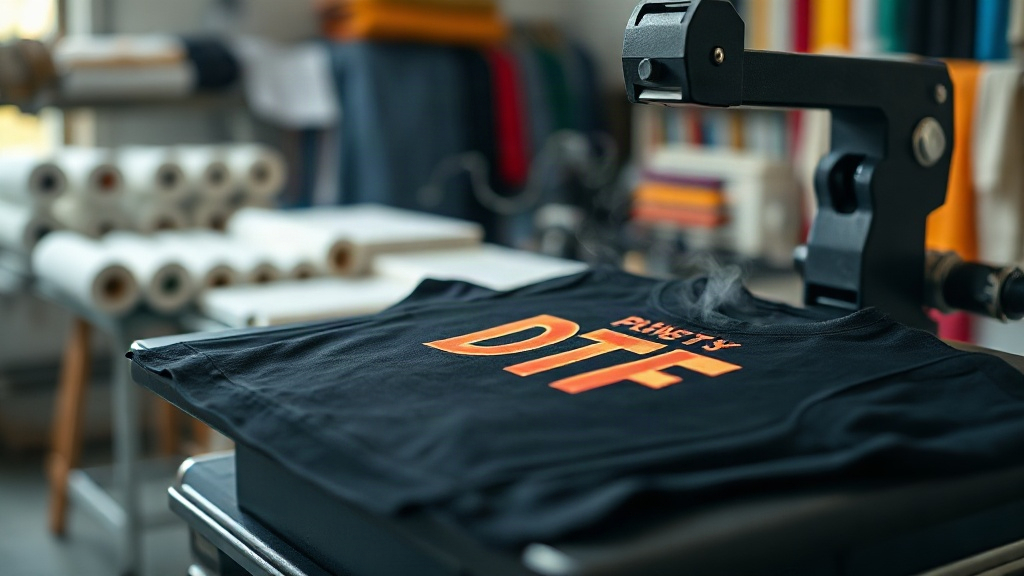
When you want to create custom apparel that stands out, the printing method you choose makes all the difference. Among the many options, DTF transfers have quickly become a favorite for both hobbyists and professional decorators. Unlike traditional methods that require weeding or special equipment, DTF transfers offer a straightforward way to apply vibrant, detailed designs to a wide range of fabrics. Whether you're running a small business or making personalized gifts, understanding how DTF transfers work can open up a world of creative possibilities.
What Are DTF Transfers?
DTF stands for Direct to Film. It's a printing technology where your design is printed onto a special film, coated with a adhesive powder, and then heat-pressed onto the fabric. The result is a durable, flexible print that bonds well to cotton, polyester, and blends. Unlike DTG (Direct to Garment) printing, which requires the fabric to be pre-treated and works best on 100% cotton, DTF transfers can be used on almost any fabric color and type, including dark and synthetic materials.
How DTF Transfers Work: Step by Step
The process might sound technical, but it's surprisingly simple once you break it down. Here's what happens from design to finished product.
1. Design Preparation
First, you create your artwork using graphic design software. The design is then printed onto a PET film using specialized DTF printers and inks. These printers use CMYK plus white ink, which allows for vibrant colors and opacity on dark garments.
2. Powder Application
After printing, a fine thermoplastic powder is applied to the wet ink. This powder acts as the adhesive that will bond the design to the fabric. Excess powder is shaken off, and the film is then heated to melt the powder, creating a smooth, dry surface.
3. Heat Press Transfer
The prepared film is placed onto the garment and heat-pressed at a specific temperature and pressure for a set time. The heat activates the adhesive, transferring the design from the film to the fabric. Once cooled, the film is peeled away, leaving the design permanently attached.
Why Choose DTF Transfers for Your Custom Apparel?
There are several compelling reasons why DTF transfers have gained popularity. Let's explore the key benefits.
- Versatility: Works on a wide range of fabrics, including cotton, polyester, nylon, and blends. You can even apply them to leather and denim.
- No Weeding Required: Unlike vinyl, DTF transfers don't require tedious weeding of tiny details. The printer handles complex designs with ease.
- Vibrant Colors: The white ink base allows for bright, opaque colors on dark garments, which is a challenge for other methods.
- Durability: When applied correctly, DTF transfers are highly resistant to cracking, peeling, and fading, even after multiple washes.
- Cost-Effective for Short Runs: No need for screens or plates, making it ideal for small batches and one-off items.
DTF Transfers vs. Other Printing Methods
How do DTF transfers stack up against other popular techniques? Here's a quick comparison.
DTF vs. DTG
DTG printing is excellent for 100% cotton and produces a soft feel, but it requires pre-treatment and can be less vibrant on dark colors. DTF transfers, on the other hand, work on more fabrics and deliver consistent results on darks without pre-treatment.
DTF vs. Vinyl
Heat transfer vinyl (HTV) is great for simple designs and single-color text, but it requires weeding and layering for multi-color designs. DTF transfers handle full-color, intricate designs in one go, saving time and labor.
DTF vs. Screen Printing
Screen printing is cost-effective for large orders but involves setup costs and is impractical for small runs. DTF transfers have no setup fees and are perfect for on-demand printing.
Applications of DTF Transfers
The versatility of DTF transfers makes them suitable for a wide range of applications. Here are some common uses:
- Custom t-shirts, hoodies, and sweatshirts
- Sportswear and team uniforms
- Tote bags and backpacks
- Corporate apparel and promotional items
- Personalized gifts for birthdays, holidays, and special events
Tips for Successful DTF Transfer Application
To get the best results with DTF transfers, follow these practical tips.
- Choose the Right Fabric: While DTF works on many fabrics, cotton and polyester blends yield the best adhesion and feel.
- Pre-Press the Garment: This removes moisture and wrinkles, ensuring a smooth surface for the transfer.
- Use Consistent Pressure and Temperature: Follow the transfer supplier's recommendations. Typically, 325°F for 15 seconds with medium pressure works well.
- Peel Carefully: Wait for the transfer to cool completely before peeling the film. This prevents the design from stretching or lifting.
- Wash Inside Out: To extend the life of your DTF transfers, wash garments inside out in cold water and avoid bleach.
Common Mistakes to Avoid
Even with a straightforward process, some pitfalls can affect the outcome. Avoid these common mistakes:
- Pressing at too high a temperature, which can scorch the fabric or melt the film.
- Using too little pressure, resulting in poor adhesion.
- Peeling the film too soon, which can cause the design to crack.
- Not storing unused transfers properly; keep them in a cool, dry place away from direct sunlight.
Frequently Asked Questions
How long do DTF transfers last?
With proper application and care, DTF transfers can last as long as the garment itself. They resist cracking and fading for 50+ washes when washed inside out in cold water.
Can I use DTF transfers on dark colors?
Absolutely. DTF transfers include a white ink layer that makes colors pop on dark fabrics. This is one of their key advantages over DTG printing.
Do I need a special printer for DTF transfers?
Yes, DTF printing requires a dedicated DTF printer that uses pigment inks and a white ink channel. However, you can also purchase pre-printed DTF transfers from suppliers if you don't want to invest in a printer.
What fabrics work best with DTF transfers?
DTF transfers adhere well to cotton, polyester, cotton-poly blends, and even some synthetic fabrics like nylon. They are not recommended for fabrics with heavy coatings or waterproof finishes.
How do I store unused DTF transfers?
Store them in a cool, dry place, away from direct sunlight and moisture. Keep them flat to prevent curling. Properly stored transfers can last for several months.
With their versatility, durability, and ease of use, DTF transfers are a game-changer for custom apparel. Whether you're a DIY enthusiast or a professional decorator, incorporating DTF transfers into your workflow can help you create stunning, long-lasting designs on a wide range of garments. So go ahead, experiment with different fabrics and designs, and see the difference for yourself.