
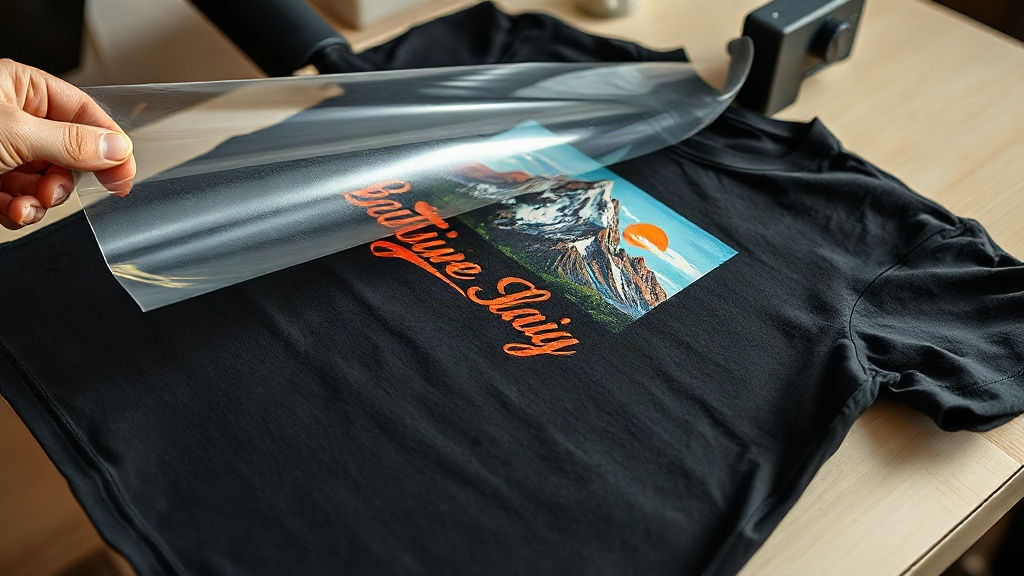
Custom apparel has never been more accessible, thanks to DTF transfers. Whether you're a small business owner looking to create branded merchandise or a hobbyist wanting to personalize t-shirts for a family reunion, DTF transfers provide a versatile and cost-effective solution. Unlike traditional screen printing or heat transfer vinyl (HTV), DTF transfers can be applied to a wide range of fabrics, including cotton, polyester, and blends, without the need for multiple screens or special weeding tools. In this comprehensive guide, we'll walk you through everything you need to know about DTF transfers, from the basics of the process to advanced tips for achieving professional-quality results.
What Are DTF Transfers?
DTF stands for Direct to Film. It's a printing technology where your design is printed onto a special PET film using a DTF printer. The printer lays down a layer of white ink (for opacity) followed by CMYK colors, and then a powdered hot-melt adhesive is applied to the wet ink. After curing, the transfer is ready to be heat-pressed onto your garment. The adhesive melts and bonds the ink to the fabric, creating a durable, stretchable print that feels soft to the touch.
One of the key advantages of DTF transfers is that they don't require pre-treatment of the garment, unlike DTG (Direct to Garment) printing. This makes them ideal for small-scale production and on-demand printing. Additionally, DTF transfers can be used on dark and light fabrics alike, with excellent color vibrancy and wash durability.
The DTF Transfer Process Step by Step
1. Design Preparation
Start with a high-resolution image, preferably in PNG format with a transparent background. The DTF printer software will handle the color separation, but ensure your design is sized correctly for your intended garment. Remember that the white ink layer will be printed underneath the colors, so your design should have proper opacity settings if needed.
2. Printing and Powdering
The DTF printer prints your design onto the film. While the ink is still wet, the film passes through a powder shaker that applies hot-melt adhesive powder evenly. Excess powder is removed, and the film goes through a curing oven to melt the powder and set the ink. The result is a flexible, ready-to-press transfer.
3. Heat Press Application
Set your heat press to the temperature and time recommended by your transfer supplier, typically around 300-325°F (150-160°C) for 10-15 seconds with medium pressure. Place the transfer on the garment with the adhesive side down, cover with a protective sheet, and press. After pressing, allow the garment to cool completely before peeling the film. For best results, use a cold peel, though some transfers are hot peel. Always follow the supplier's instructions.
Why Choose DTF Transfers for Your Custom Apparel?
DTF transfers offer several compelling benefits that make them a top choice for custom apparel:
- Versatility: Works on cotton, polyester, blends, and even treated nylon. No need to switch between different transfer types for different fabrics.
- Vibrant Colors: The white ink base allows for bright, opaque colors on dark garments without the need for a separate white underlayer.
- Durability: When applied correctly, DTF transfers withstand dozens of washes without fading, cracking, or peeling.
- Soft Feel: The prints are thin and flexible, making them comfortable to wear.
- Cost-Effective for Small Runs: No setup fees or minimum order quantities, ideal for one-off designs or small batches.
- No Weeding: Unlike HTV, there's no tedious weeding process, saving time and labor.
For businesses, DTF transfers mean you can offer a wide range of custom products without investing in multiple printing technologies. For individuals, it opens up a world of creative possibilities for personalizing gifts and apparel.
Common Applications of DTF Transfers
DTF transfers are used across various industries and personal projects. Here are some popular applications:
- Custom t-shirts, hoodies, and sweatshirts for teams, events, or brands.
- Personalized gifts like baby onesies, tote bags, and aprons.
- Corporate uniforms and promotional merchandise.
- Fashion apparel with intricate designs.
- Sportswear and activewear that require stretchable prints.
Tips for Flawless DTF Transfers
Achieving professional results with DTF transfers requires attention to detail. Here are some expert tips:
- Choose the Right Film: Not all DTF films are created equal. Look for films designed for your printer and ink type. Some films are matte, others glossy; matte films tend to produce a softer feel.
- Control Moisture: DTF powder is hygroscopic, meaning it absorbs moisture from the air. Store powder in an airtight container and use a dehumidifier in your workspace to prevent clumping and inconsistent adhesion.
- Test Your Heat Press: Every heat press varies. Use a laser thermometer to verify the actual platen temperature and adjust your settings accordingly. Press a test transfer on a scrap fabric to fine-tune time, temperature, and pressure.
- Pre-Press Garments: Before applying the transfer, pre-press the garment for a few seconds to remove wrinkles and moisture. This ensures a smooth, even application.
- Use a Protective Sheet: Always cover the transfer with a Teflon sheet or parchment paper to protect the ink and your heat press.
- Cool Peel: Unless your transfer specifies hot peel, allow the garment to cool completely before peeling the film. This prevents the design from stretching or lifting.
Troubleshooting Common DTF Transfer Issues
Even with experience, you might encounter issues. Here's how to troubleshoot common problems:
- Transfer Not Sticking: Usually caused by insufficient pressure, low temperature, or too short dwell time. Increase pressure, check temperature with a thermometer, and extend press time.
- Cracking After Wash: Often due to under-curing of the powder or over-stretching during application. Ensure proper curing and avoid stretching the garment when pressing.
- Dull Colors: May result from expired film or incorrect printer settings. Use fresh film and calibrate your printer's color profile.
- Powder Clumping: High humidity causes powder to clump. Store powder properly and control your workspace humidity.
DTF Transfers vs. Other Printing Methods
How do DTF transfers compare to other popular decoration methods?
- Vs. Screen Printing: Screen printing is more cost-effective for large orders (100+ pieces) but requires setup and is limited to one color per screen. DTF is better for small runs and full-color designs.
- Vs. HTV: HTV requires weeding and is limited to single-color designs unless layered. DTF handles complex, multi-color designs with ease.
- Vs. DTG: DTG prints directly onto the garment and works best on 100% cotton. DTF works on more fabrics and produces more durable prints on polyester.
- Vs. Sublimation: Sublimation only works on light-colored polyester garments. DTF works on any color and fabric type.
Frequently Asked Questions About DTF Transfers
Can I use DTF transfers on 100% cotton shirts?
Absolutely. DTF transfers adhere well to 100% cotton, as well as polyester, blends, and even some treated nylons. The key is proper application with the right temperature and pressure.
How long do DTF transfers last?
With proper application and care, DTF transfers can last 50+ washes without significant fading or cracking. Always wash garments inside out in cold water and avoid bleach and high heat drying.
Do I need a special printer for DTF transfers?
Yes, DTF printing requires a dedicated DTF printer that uses pigment inks and a white ink channel. However, you can also purchase pre-printed DTF transfers from suppliers if you don't want to invest in a printer.
What fabrics are not suitable for DTF transfers?
DTF transfers are not recommended for fabrics with a very rough texture (like terry cloth) or those that cannot withstand heat (like some synthetic leathers). Also, avoid fabrics with a heavy water-repellent coating.
How do I store unused DTF transfers?
Store them in a cool, dry place away from direct sunlight. Keep them in a sealed bag or container to prevent dust and moisture from affecting the adhesive.
DTF transfers have opened up new possibilities for custom apparel, offering a perfect blend of quality, versatility, and affordability. Whether you're just starting out or looking to expand your decoration options, mastering DTF transfers can set your business apart. With the tips and insights shared here, you're well on your way to creating stunning, long-lasting custom garments that your customers will love.