
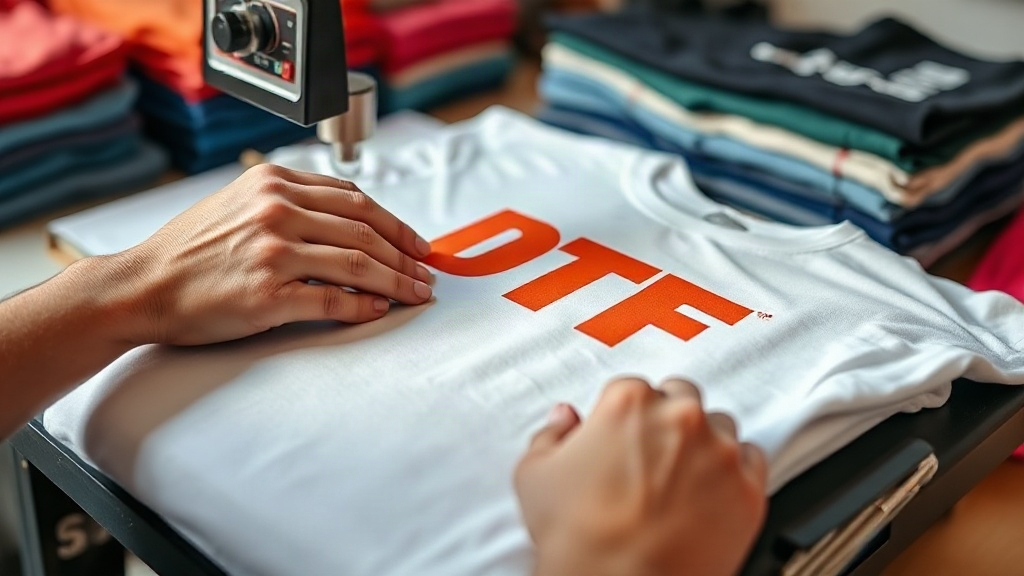
When it comes to custom apparel, the method you choose can make or break the final product. If you've been exploring options for decorating t-shirts, hoodies, or tote bags, you've likely encountered DTF transfers. This innovative technology has quickly become a favorite among crafters, small business owners, and hobbyists alike. But what exactly are DTF transfers, and why are they causing such a buzz? In this guide, we'll dive deep into the world of DTF printing, from the science behind it to practical tips for flawless results. Whether you're a seasoned pro or just starting out, understanding DTF transfers can open up a new realm of creative possibilities for your custom apparel projects.
What Are DTF Transfers?
DTF stands for Direct to Film. Unlike traditional printing methods that apply ink directly onto the fabric, DTF printing involves printing your design onto a special PET film, coating it with a thermoplastic powder, and then transferring it onto the garment using a heat press. The result is a vibrant, durable print that adheres beautifully to a wide range of materials, including cotton, polyester, blends, and even leather. The process might sound technical, but it's surprisingly accessible, making DTF transfers a go-to solution for custom apparel enthusiasts.
How DTF Transfers Work: A Step-by-Step Breakdown
To appreciate the magic of DTF transfers, it helps to understand the steps involved. Here's a simplified overview:
- Design Preparation: Your artwork is prepared digitally, ensuring it's mirrored and sized appropriately. Most DTF printers come with software that handles this automatically.
- Printing: The design is printed onto a special film using DTF inks (often CMYK plus white). The white ink layer is crucial for opacity on dark fabrics.
- Powder Application: While the ink is still wet, a fine thermoplastic powder is sprinkled over the print. This powder will become the adhesive that bonds the design to the fabric.
- Curing: The film passes through a curing oven or is heated with a heat gun to melt the powder, creating a smooth, dry surface.
- Transfer: The film is placed onto the garment and pressed with a heat press at a specific temperature, time, and pressure. Once cooled, the film is peeled away, leaving the design behind.
Each step is critical, but with practice, the process becomes second nature. The beauty of DTF transfers lies in their simplicity and the professional-looking results they deliver.
Why Choose DTF Transfers for Custom Apparel?
With so many decoration methods available, why should you consider DTF transfers? Here are some compelling reasons:
- Versatility: DTF transfers work on almost any fabric, including those that are difficult to print on with other methods, like nylon, leather, and polyester. They also adhere well to both light and dark materials without the need for a separate white underbase.
- Durability: When applied correctly, DTF prints are highly durable. They resist cracking, peeling, and fading, even after multiple washes. This makes them ideal for items that will see frequent use.
- Vibrancy: DTF inks produce bright, vivid colors that stand out. The white ink layer ensures that colors remain true on dark backgrounds, giving your designs a pop that other methods might struggle to achieve.
- Cost-Effectiveness: For small to medium-sized runs, DTF transfers can be more affordable than screen printing or embroidery. There's no need for expensive setup fees or minimum order quantities.
- Ease of Use: With a heat press and a bit of practice, anyone can apply DTF transfers. This makes them perfect for DIY enthusiasts and small businesses looking to offer custom apparel without a huge investment.
DTF Transfers vs. Other Printing Methods
To truly appreciate DTF transfers, it's helpful to compare them to other popular techniques. Let's see how they stack up against screen printing, heat transfer vinyl (HTV), and direct-to-garment (DTG) printing.
DTF vs. Screen Printing
Screen printing is the go-to for large orders due to its low cost per unit. However, it requires separate screens for each color, which can be costly for complex designs or small runs. DTF transfers shine in these scenarios because they can reproduce full-color designs without setup fees. While screen printing may offer slightly better durability on certain fabrics, DTF has closed the gap significantly.
DTF vs. HTV
Heat transfer vinyl is great for simple, single-color designs. It's easy to use and widely available. But for intricate, multi-color designs, weeding HTV can be time-consuming and frustrating. DTF transfers eliminate weeding entirely, as the design is printed and ready to press. Plus, DTF can handle fine details and gradients that are nearly impossible with HTV.
DTF vs. DTG
Direct-to-garment printing is similar to DTF in that it can produce full-color designs without setup. However, DTG requires pre-treatment of the garment and works best on 100% cotton. DTF transfers are more versatile, adhering to a wider range of fabrics and requiring no pre-treatment. DTG also struggles with dark colors, often needing a white underbase that can feel stiff. DTF's white ink layer is integrated into the transfer, resulting in a softer feel.
Applications of DTF Transfers
The versatility of DTF transfers makes them suitable for a myriad of applications. Here are just a few:
- T-shirts and Polos: Create custom team shirts, event merchandise, or branded apparel with vibrant, long-lasting prints.
- Hoodies and Sweatshirts: DTF transfers work beautifully on heavier fabrics, making them perfect for cozy, personalized hoodies.
- Tote Bags: Add a pop of personality to canvas or nylon bags, ideal for giveaways or retail.
- Hats and Caps: While applying DTF to curved surfaces requires a bit more finesse, it's doable with the right heat press attachments.
- Denim Jackets: DTF transfers adhere well to denim, allowing for edgy, custom designs on jackets and jeans.
- Sportswear: The flexibility and durability of DTF prints make them a great choice for activewear, as they move with the fabric.
Tips for Successful DTF Transfer Application
Getting professional results with DTF transfers requires attention to detail. Here are some tips to help you achieve flawless application:
- Choose the Right Film: Not all DTF films are created equal. Look for films that are compatible with your printer and offer good ink absorption. Double-sided films can simplify the process.
- Control Your Environment: Humidity and dust can affect the quality of your prints. Work in a clean, dry space and store film properly.
- Master Your Heat Press: Temperature, pressure, and time are critical. Invest in a good heat press with accurate controls. Typical settings for DTF are around 300°F to 325°F for 10-15 seconds with medium pressure. Always test with a scrap piece first.
- Pre-Press Your Garment: This removes moisture and wrinkles, ensuring a smooth surface for the transfer.
- Peel Correctly: DTF transfers can be peeled either hot or cold, depending on the film. Follow the manufacturer's instructions. Cold peel is more common and often yields better detail.
- Post-Press for Durability: After peeling, a quick second press (around 5-10 seconds) can improve washability and adhesion.
- Wash with Care: To extend the life of your DTF-printed apparel, wash inside out in cold water and avoid harsh detergents. Tumble dry low or hang dry.
Common Challenges and How to Overcome Them
Even with the best practices, you might encounter some hiccups. Here are common issues and their solutions:
- Faded or Dull Colors: This could be due to insufficient ink coverage, incorrect powder application, or under-curing. Ensure your printer is calibrated and use high-quality inks and powder.
- Cracking or Peeling: Often caused by too much pressure, insufficient time, or not enough powder. Adjust your heat press settings and ensure even powder coverage.
- Sticky or Tacky Surface: This indicates under-curing of the powder. Increase curing time or temperature.
- Poor Adhesion: Make sure the garment is clean and pre-pressed. Also, check that the transfer is pressed at the correct temperature for the fabric type.
With a bit of troubleshooting, you can overcome these challenges and produce stunning DTF transfers consistently.
Frequently Asked Questions About DTF Transfers
What fabrics can I use with DTF transfers?
DTF transfers work on a wide range of fabrics, including cotton, polyester, cotton-poly blends, nylon, leather, and even some synthetics. They are particularly effective on dark colors because the white ink layer provides a bright base for the colors.
How durable are DTF transfers?
When applied correctly, DTF transfers are very durable. They can withstand repeated washing without cracking, peeling, or fading. To maximize longevity, wash garments inside out in cold water and avoid ironing directly on the print.
Do I need a special printer for DTF transfers?
Yes, DTF printing requires a dedicated DTF printer that uses DTF inks and can handle the film. However, you can also purchase pre-printed DTF transfers from suppliers if you don't want to invest in a printer. This is a great option for small businesses or individuals who want to offer custom apparel without the overhead.
Can I layer DTF transfers?
Layering DTF transfers is possible but can be tricky. It's generally recommended to avoid layering if possible, as it can make the print feel thick. If you must layer, press the first transfer, peel, then press the second on top, ensuring proper alignment and adhesion.
What is the cost of DTF transfers compared to other methods?
The cost of DTF transfers can vary depending on the size of the design and the quantity. For small runs, DTF is often more cost-effective than screen printing because there are no setup fees. For large runs, screen printing may become cheaper per unit. However, DTF's versatility and lack of minimums make it a great choice for many projects.
Final Thoughts
DTF transfers have revolutionized the custom apparel industry by offering a versatile, durable, and vibrant printing solution. Whether you're a DIY enthusiast or a business owner, understanding this technology can help you create stunning, professional-looking garments. With the right tools and a bit of practice, you can master DTF transfers and unlock endless creative possibilities. So why not give it a try? Your custom apparel projects will never be the same.